
 Share
Share


a) Olio ottenuto dalla sansa di oliva mediante trattamento con solventi o altri processi fisici, esclusi gli oli ottenuti con processi di riesterificazione e le miscele con oli di diversa natura.
b) Olio costituito da un taglio di olio di sansa di oliva raffinato con oli di oliva vergini adatti al consumo tal quali. La sua acidità libera – espressa in acido oleico – è al massimo di 1 g per 100 g e le sue altre caratteristiche corrispondono a quelle previste per questa categoria dalla norma del COI (COI/T.15/NC n. 3). Questo taglio non può in alcun caso essere denominato “olio di oliva”.
Last Posts


This week on OHIS
Madrid, Spain / 26.10.2026
This week on the Olive Health Information System website The newsletter of the University of Navarra and the IOC dedicated to health Article 1 The Mediterranean diet (MedDiet), which is based on olive oil, vegetables, fruit,...
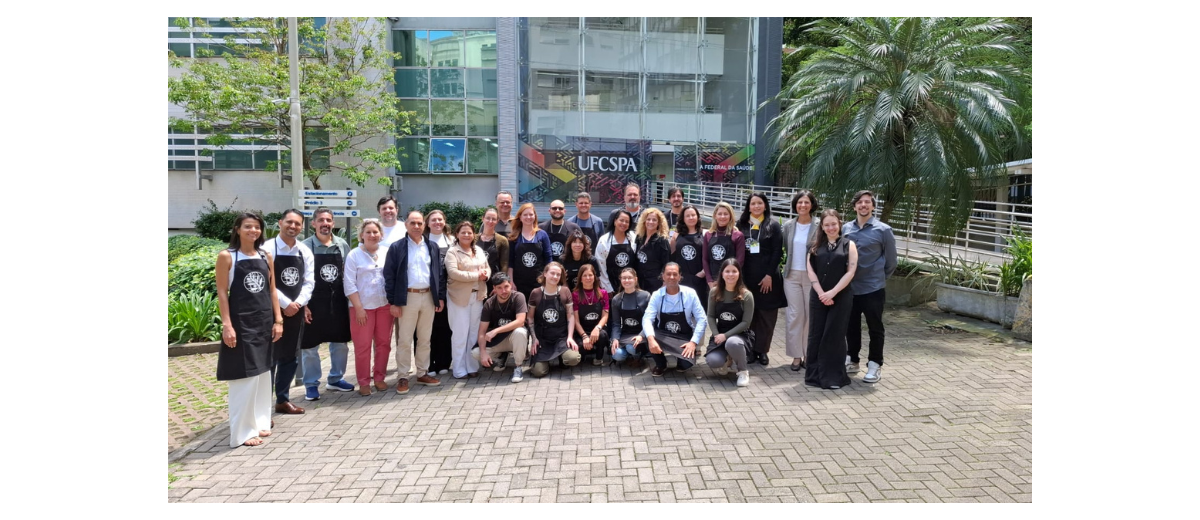
IOC promotion campaign strengthens ties with Brazil’s growing olive oil sector
From its expanding consumer market to the olive groves of its southern regions, Brazil offers considerable potential for the olive oil sector. The country imported 80,768 tonnes in the 2024/25 crop year, while its emerging...
Iraq’s flag raised at IOC headquarters to celebrate its membership
The International Olive Council (IOC) celebrated the Republic of Iraq’s membership today with a flag-raising ceremony at its headquarters in Madrid on 21 October, bringing together ambassadors and diplomatic...