
 Share
Share


The 123rd session of the IOC Council of Members examined trends in global consumption, priority areas for action in the coming months and the challenges posed by climate change
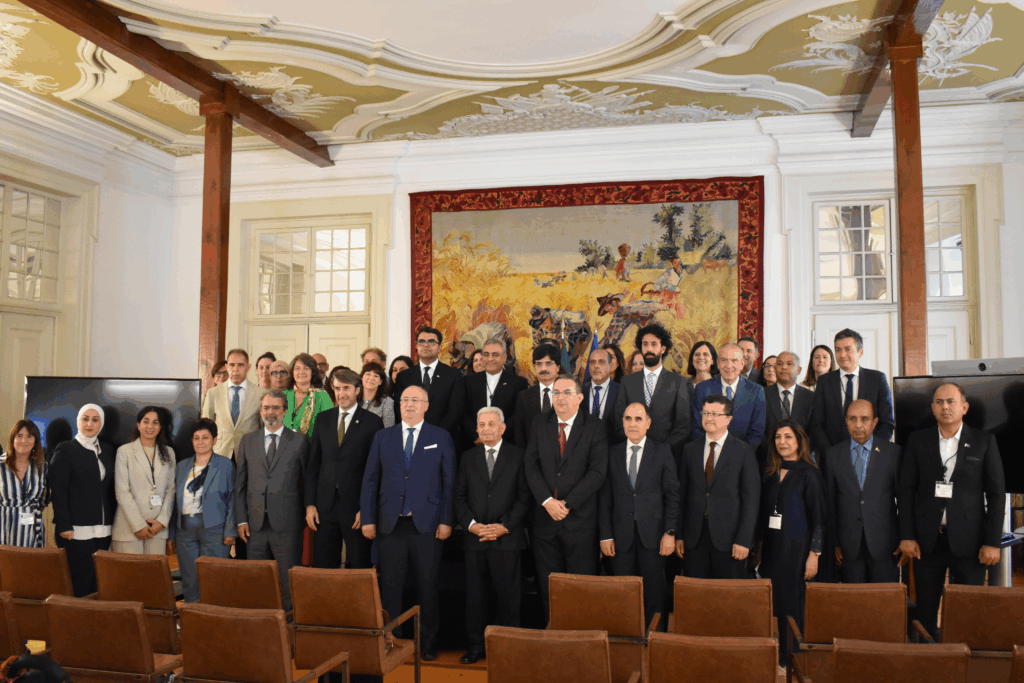
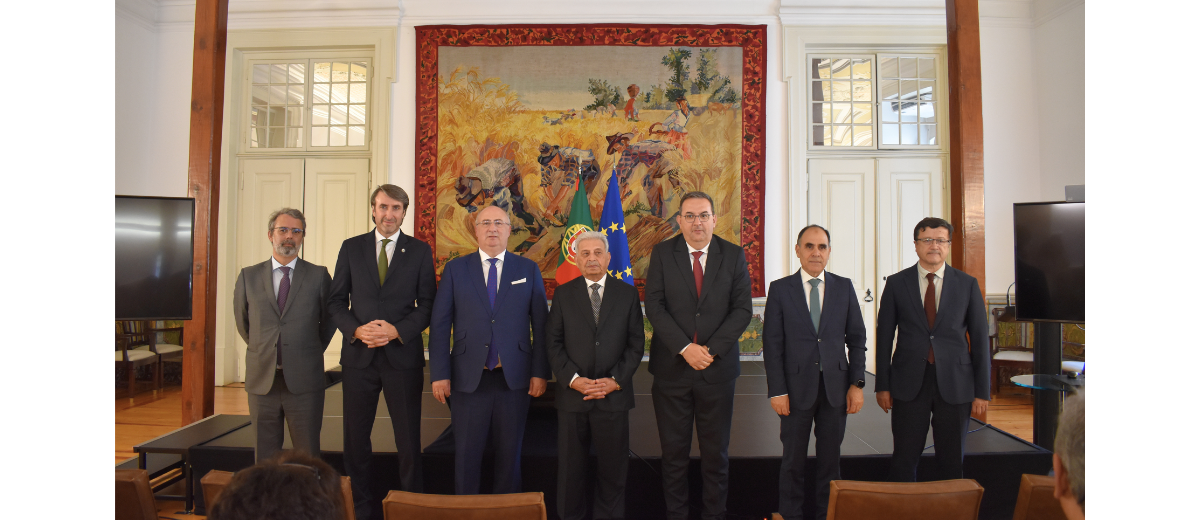
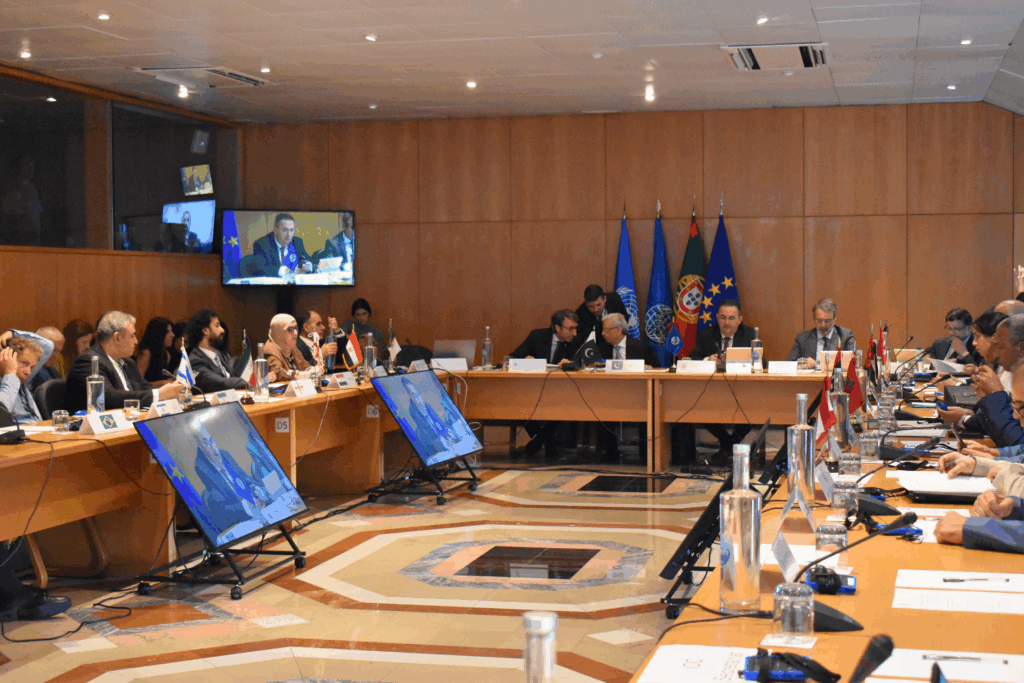
On 29 and 30 June, the Portuguese capital hosted the 123rd session of the Council of Members of the International Olive Council (IOC) and the 66th meeting of its Advisory Committee, two essential forums for dialogue and cooperation within the sector. The organisation’s member countries account for around 95 % of global olive oil and table olive production.
These events were attended by government representatives, producers, exporters, importers, leading companies in the sector and members of the scientific community.
Delegations from the 48 member countries of the IOC took part, as did several observers, including representatives from the United States, Brazil, Peru and Syria, and from international organisations such as the International Centre for Advanced Mediterranean Agronomic Studies (CIHEAM) and the Arab Organisation for Agricultural Development (AOAD).
The holding of these meetings in Lisbon at the invitation of the Portuguese Ministry of Agriculture reflects the growing importance of this country’s olive sector, which has been driven in recent decades by the modernisation of its farms, technological innovation, quality improvements and the strengthening of its export position.
“The future of the olive oil sector depends on our ability to combine tradition with innovation. Portugal remains committed to investing in sustainable production, efficient water management, technological advancement and the promotion of olive oil in international markets. By working together across the value chain, we can strengthen the competitiveness of the sector and ensure its long-term economic, environmental and social sustainability,” said José Manuel Fernandes, the Portuguese Minister for Agriculture and the Sea.
Participants agreed that the main challenges for the coming years will be to improve the sector’s resilience to climate change, manage market volatility, promote increasingly sustainable production systems, open up new commercial opportunities and continue to strengthen consumer confidence through rigorous and harmonised international quality standards.
An increasingly global sector
Over the last six decades, both global olive oil production and consumption have tripled. Currently, around 45 %of global consumption takes place outside the traditional producing countries, and olive trees are now cultivated on all five continents.
“Olive oil is no longer solely a Mediterranean product. Today it is consumed all over the world, and the main drivers of demand growth are to be found in increasingly diverse markets. This internationalisation calls for greater cooperation, more knowledge-sharing and robust quality standards,” emphasised Jaime Lillo, IOC Executive Director.
Against this backdrop, the IOC reiterated its commitment to continuing to expand its membership base and to strengthening the international frameworks for cooperation, quality and regulatory harmonisation that facilitate the sector’s sustainable development.
Pakistan confirmed the progress made in its process of joining the IOC. The country has a growing olive sector, with an estimated production of 1,500 tonnes of olive oil in the 2024/25 crop year and consumption of around 5,000 tonnes.
For Rana Tanveer Hussain, Federal Minister for National Food Security and Research of Pakistan, the newest member of the IOC family: “We believe that the olive sector offers immense potential to contribute to food security, environmental conservation, rural development and economic diversification. Through continued collaboration with the IOC and its member countries, Pakistan will learn from global experience while sharing its own journey as an emerging olive-growing nation. We look forward to further strengthening our cooperation and contributing to the future of the global olive sector.”
Eduardo Diniz, Director of the Portuguese Cabinet for Planning, Politics and General Administration and host of the IOC’s Lisbon meetings welcomed participants, highlighting the importance of today’s gathering: “In the current international context, characterised by climate change, the need for more resilient food systems and increasingly demanding markets, it is essential to have a technical and institutional forum capable of fostering #dialogue, building consensus and shaping common responses.”
Opening the session, Tawfik Elachchabi, Chair of the Council of Members, welcomed participants and expressed his appreciation for the continued engagement of member countries and observers. He underlined that sustainability, product authenticity and the promotion of olive oil and table olvies remain among the sector’s key priorities.
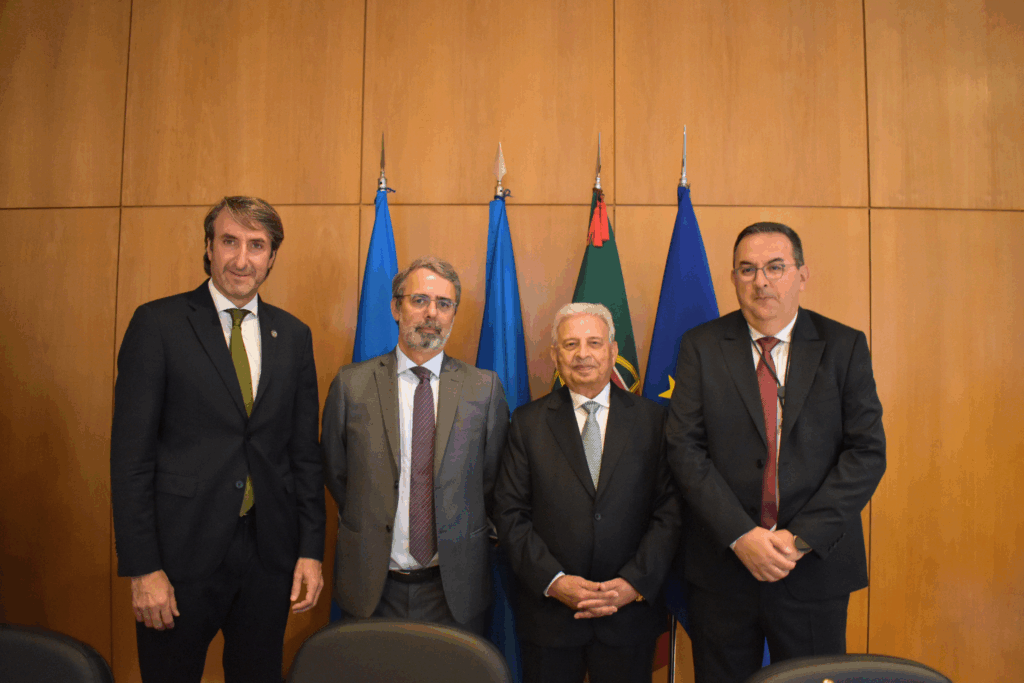
For its part, Syria formally expressed its interest in rejoining the organisation. In the last crop year, it recorded a production of 122,000 tonnes of olive oil and an exportable surplus of around 22,000 tonnes, consolidating its position as one of the key players in the sector in the Middle East.
Brazil and Peru continued to strengthen their relationship with the IOC through their active participation as observers. Brazil’s case is particularly significant given its growing influence in international trade. Over the last decade, its olive oil imports have risen by nearly 60 %, from approximately 50,000 to 80,000 tonnes, consolidating its position as Latin America’s leading import market.
In view of this potential, the IOC has extended its promotional campaign in Brazil, which is currently scheduled to run until the end of 2027. The initiative aims to raise awareness of olive oil among Brazilian consumers, promote international quality standards and strengthen the country’s integration into the sector’s institutional and technical activities.
Peru, for its part, maintains a prominent position in the Latin American table olive market, with production exceeding 30,000 tonnes per season and a growing interest in deepening its cooperation with the organisation.
Sustainability and quality
 The IOC also presented the results of the pilot phase of the carbon balance project at both forums. This digital platform – which is freely accessible at no cost – enables users to calculate the carbon balance of any olive grove and simulate how this can be improved by implementing sustainable agricultural practices.
The platform, which will be available in several languages in the final quarter of this year, has already generated 110 reports containing data on more than 20,000 hectares of olive groves across 16 countries. Thus, even at this testing stage, the data obtained represent the largest study to date using real-world data on carbon sequestration in olive groves.
The results show an average balance of 4.19 t CO₂e/ha/year, which confirms, with reliable data, the initial estimates made by the IOC in a theoretical study and demonstrates the potential of the olive tree as an effective tool in the fight against climate change.
Member countries have given the IOC the go-ahead to proceed with the second phase of the project, which involves the design and implementation of a certification and registration scheme for voluntary carbon credits specific to olive groves, supported by blockchain technology. This system will be compatible with Regulation (EU) 2024/3012 establishing the European framework for the certification of carbon removals (CRCF) and with Implementing Regulation (EU) 2025/2358.
In the area of value creation and quality protection, the IOC presented an update to its 2010 study on designations of origin and geographical indications in the olive sector. The analysis highlights the maturity of the European system, which currently comprises 168 registers of olive oils and table olives, as well as the strong growth observed in non-EU countries, where the number of protected geographical indications has increased by 1,060 % over the last fifteen years. These certifications play a vital role in improving the quality, market value and consumer perception of olive oil and table olives which promote product differentiation, support higher prices and stimulate exports.
Finally, the Spanish association QvExtra! Internacional also addressed the Advisory Committee to present its SIQEV (International Extra Virgin Quality Seal) initiative, which is supported by the IOC through a grant. This certification enables extra virgin olive oils containing bioactive compounds to communicate, in accordance with European regulations, the benefits associated with antioxidant protection and the maintenance of normal blood cholesterol levels.
World capital of olive oil
The IOC’s statutory meetings also coincide with the second edition of the Olive Oil World Congress (OOWC), which takes place on 2 and 3 July at the Belém Cultural Centre.
The congress programme will address some of the most strategic issues for the future of the olive sector, including adaptation to climate change, the digitalisation of farms, the application of artificial intelligence in agricultural production, the quality and authenticity of olive oil, and the impact of geopolitical instability on international markets.
Among the prominent speakers is Fabrice DeClerck, scientific director of EAT, an international commission comprising dozens of experts from various countries and disciplines, who will analyse the contribution of olive oil and olive groves to human health and the sustainability of food systems.
Representing the IOC will be Jaime Lillo, Executive Director, who will open the event alongside Portugal’s Minister of Agriculture; Abderraouf Laajimi, Deputy Executive Director, who will present trends in international consumption; Mercedes Fernández, Head of the Standardisation and Research Unit, who will moderate a panel discussion on the sensory properties of olive oil; and Juan Antonio Polo, Head of the Department of Olive Technology and the Environment, who will speak on the voluntary carbon credit market and the role of olive groves in the face of climate change.