• Skip to main content

International Olive Council

The website of the International Olive Council

Logo Consejo Oleícola Internacional
Linkedin icon Twitter icon
  • Salud
  • Culinario
  • Sostenibilidad
Contratos Subvenciones Vacantes Patrocinio
Mail envelope Contacto
Magnifier Buscar
Person icon Área Privada
Person icon
Menu icon
MENUMENU
  • Who we are
    • Mission and Vision
    • Fundamental Texts
    • Governance and Structure
    • Member Countries and Observers
  • Qué Hacemos
    • Unidad de Normalización e Investigación
      • Normas COI, Métodos y Guías
      • Grupos de Trabajo
      • Reconocimiento de Laboratorios y Paneles
      • Premio del COI a la Calidad Mario Solinas
      • Apoyo Institucional del COI
      • Aceite de Oliva, Nutrición y Salud
      • Investigación en la Unidad de Normalización e Investigación
      • Base de Datos de Documentos del COI
    • Olive Growing, Olive Oil Technology and Environment Unit
      • Technical Cooperation and Training
      • Olive Oil Technology and the Environment
      • IOC Scholarships
      • Supporting Member Countries
      • External Projects and Institutional Agreements
      • IOC Network of International Olive Germplasm Banks
      • Key Projects and Technical Resources
    • Unidad de Asuntos Econónicos y Promoción
      • Market Statistics
      • Country Profiles
      • Promotion Campaigns
      • Grants for Promotion Activities
      • Studies & Seminars
  • El Mundo del Olivo
    • El Olivo
    • Aceitunas de Mesa
    • Aceite de Oliva
    • Aceite de Oliva y Salud
    • Aceitunas Caseras
    • Museos y Rutas del Olivo
    • El Día Mundial del Olivo
      • Celebraciones del Día Mundial del Olivo
    • Recetas
    • Glosario
  • Recursos
    • Carbon Balance Project
    • Catálogo mundial de variedades del olivo
    • IOC Published Documents
    • Videos
    • Infographics
  • Normas
  • Estadísticas
  • Árabe
  • Inglés
  • Francés
  • Italiano
  • Español
Contratos Subvenciones Vacantes Patronage
Mail envelope Contacto
Magnifier Buscar
We are social
  • Linkedin icon
  • Twitter icon
MENUMENU
  • Who we are
    • Mission and Vision
    • Fundamental Texts
    • Governance and Structure
    • Member Countries and Observers
  • Qué Hacemos
    • Unidad de Normalización e Investigación
      • Normas COI, Métodos y Guías
      • Grupos de Trabajo
      • Reconocimiento de Laboratorios y Paneles
      • Premio del COI a la Calidad Mario Solinas
      • Apoyo Institucional del COI
      • Aceite de Oliva, Nutrición y Salud
      • Investigación en la Unidad de Normalización e Investigación
      • Base de Datos de Documentos del COI
    • Olive Growing, Olive Oil Technology and Environment Unit
      • Technical Cooperation and Training
      • Olive Oil Technology and the Environment
      • IOC Scholarships
      • Supporting Member Countries
      • External Projects and Institutional Agreements
      • IOC Network of International Olive Germplasm Banks
      • Key Projects and Technical Resources
    • Unidad de Asuntos Econónicos y Promoción
      • Market Statistics
      • Country Profiles
      • Promotion Campaigns
      • Grants for Promotion Activities
      • Studies & Seminars
  • El Mundo del Olivo
    • El Olivo
    • Aceitunas de Mesa
    • Aceite de Oliva
    • Aceite de Oliva y Salud
    • Aceitunas Caseras
    • Museos y Rutas del Olivo
    • El Día Mundial del Olivo
      • Celebraciones del Día Mundial del Olivo
    • Recetas
    • Glosario
  • Recursos
    • Carbon Balance Project
    • Catálogo mundial de variedades del olivo
    • IOC Published Documents
    • Videos
    • Infographics
  • Normas
  • Estadísticas
  • Árabe
  • Inglés
  • Francés
  • Italiano
  • Español
  • Salud
  • Culinario
  • Sostenibilidad
Tools icon

IOC NEWS

Home / Blog / Workshop on the organoleptic assessment method for virgin olive oils
Organoleptique
Enviar noticiaShare Enlace a facebook Enlace a twitter Enlace a linkedin

Workshop on the organoleptic assessment method for virgin olive oils

19.10.2017

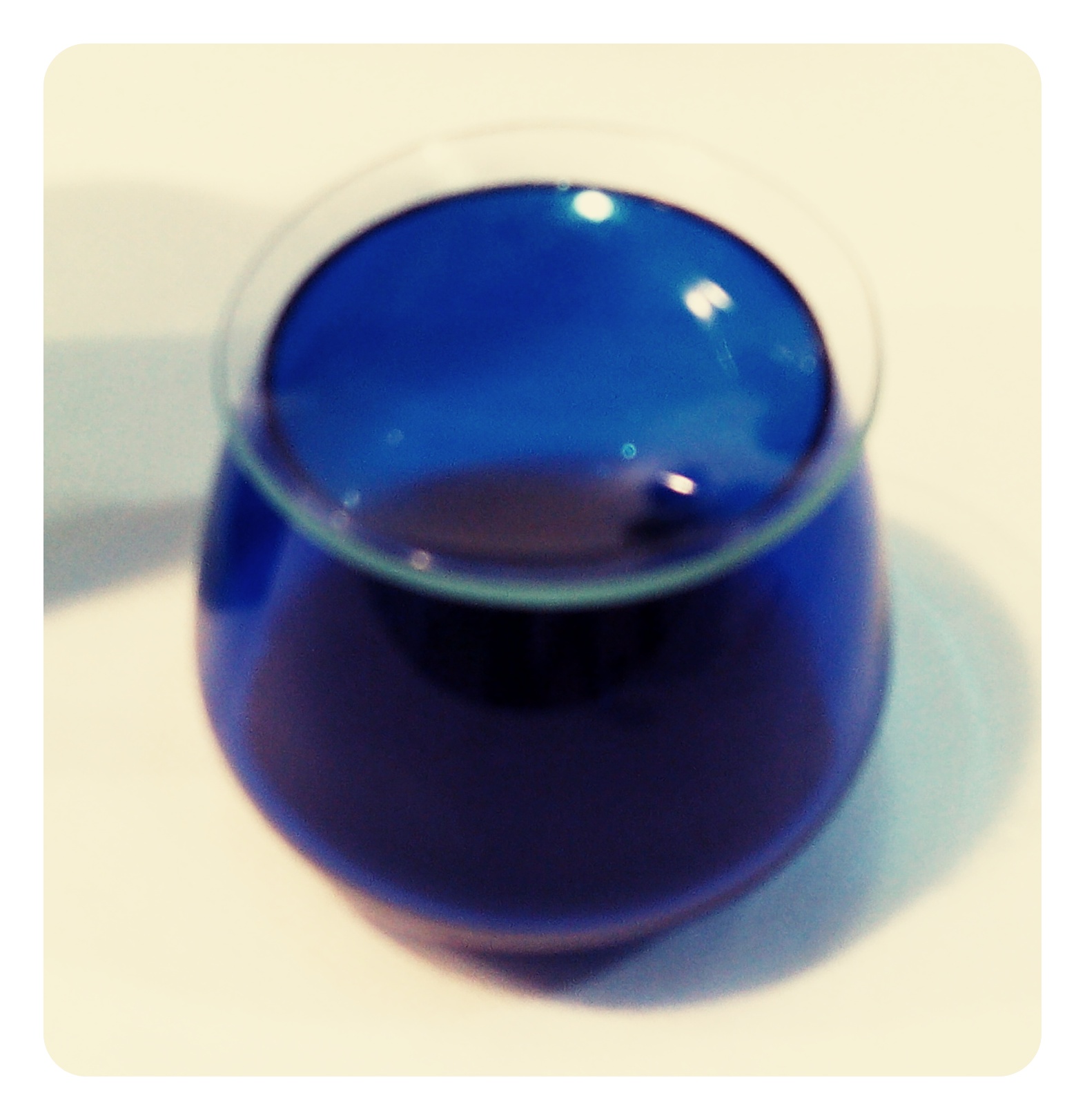
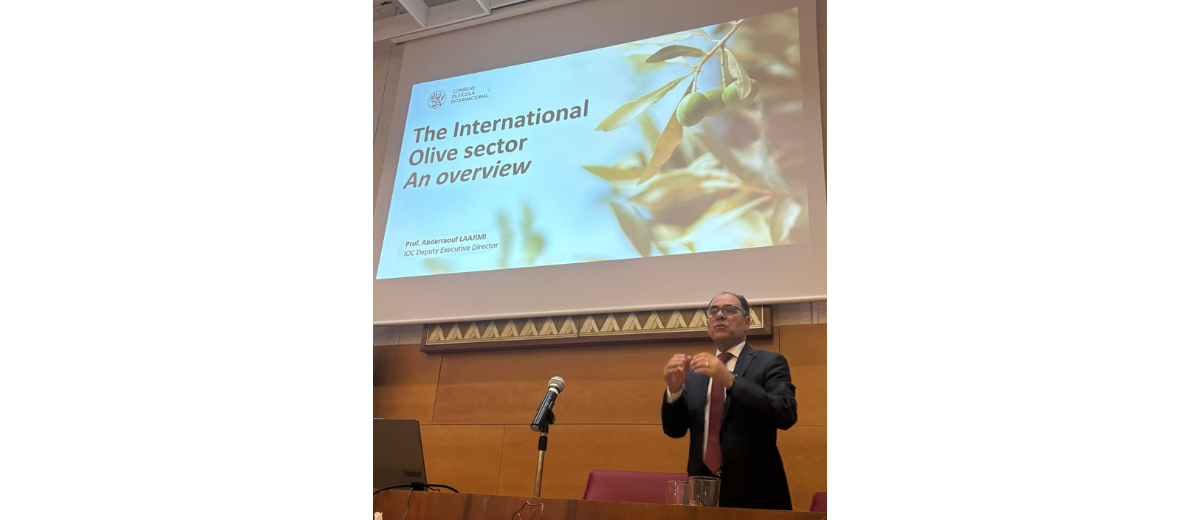
After the meetings held on 16 and 17 October, the IOC experts in organoleptic assessment and harmonisation participated in a workshop on the organoleptic assessment method for virgin olive oils to which the representatives of the Advisory Committee of the IOC were invited. The IOC’s objective was to bring together industry and research to achieve a better understanding and closer collaboration on the issue of the organoleptic assessment method, an essential tool in the classification of virgin and extra virgin olive oils alongside the physico-chemical testing methods.

The IOC’s organoleptic assessment method was presented by Juan Ramón Izquierdo (Agri-food Laboratory of Madrid, Spain), while Mercedes Fernández, the Head of the IOC Research and Standardisation Unit, provided an overview of the provisional or definitive results of the working groups on the organoleptic assessment method for olive oils. Presentations were then given on the training of tasters, the accreditation of panels, reference material, statistics and arbitration (Luciana Di Giacinto, CREA-IT-CSA - Italy; Efi Christopoulou, ESVITE - Greece; Yolanda Avilés, Agri-food Laboratory of Cordoba – Spain; Denis Ollivier, Laboratory of Marseille - France; Andrea Giomo - Italy; Luis Guerrero, IRTA - Spain; Hermenegildo Cobo, SOIVRE - Spain). The representatives of the olive oil sector also shared their experiences; speakers included Andrea Carrassi (Director of Assitol) and Tullio Forcella (General Director of Federolio) for Italy; Abdelaziz Makhloufi (CEO of the CHO olive packing company and representative of the interprofessional chamber of olive oil exporters) for Tunisia; Mariana Matos (General Secretary of the Casa do Azeite) for Portugal; José Pont Amenos (Chairman of ASOLIVA) and Rafael Sanchez de Puerta (Chairman of the Spanish olive oil sector council) for Spain. A round table of all the speakers provided an opportunity for participants to ask questions and take part in a discussion on the challenges and the future of the organoleptic assessment method for olive oil, which was the specific subject of Wenceslao Moreda’s (Instituto de la Grasa, Spain) presentation. Other matters discussed were additional methods (Lanfranco Conte, University of Udine - Italy), the first results of the Oleum project (Tullia Gallina, University of Bologna - Italy, and Diego García González, Instituto de la Grasa - Spain), and sensory analysis in non IOC member countries (Jean-Xavier Guinard, UC Davis Olive Center - USA).

The IOC Executive Secretariat thanks all the speakers and the members of the IOC Advisory Committee on Olive Oil and Table Olives for their participation in this fascinating day, which seems to have marked the beginning of a new collaboration between industry and research.

.
Enviar noticiaShare Enlace a facebook Enlace a twitter Enlace a linkedin
Last Posts
IOC and UPM sign MoU
MADRID, SPAIN / 16.03.2026

The International Olive Council (IOC) and the Polytechnic University of Madrid (UPM) in Spain have signed a Memorandum of Understanding (MoU) to strengthen cooperation in the olive sector. The agreement was signed by Mr...

Info

Esta semana en el OHIS
MADRID, ESPAÑA / 13.03.2026

Esta semana en el sitio web del Olive Health Information Service La newsletter de la Universidad de Navarra y el COI dedicada a la salud Artículo 1 Estudios recientes han examinado el papel de los patrones alimentarios...

Info

Día Europeo para la Prevención del Riesgo Cardiovascular
MADRID, ESPAÑA / 13.03.2026

El aceite de oliva, un aliado en la prevención cardiovascular En el marco del Día Europeo para la Prevención del Riesgo Cardiovascular, el Consejo Oleícola Internacional (COI) reitera la importancia de prevenir las...

Info

International olive council logo
Privacy Policy
Somos sociales
  • Linkedin icon
  • Twitter icon
© International Olive Council, 2026
Gestionar consentimiento de cookies
Para proporcionar las mejores experiencias, utilizamos tecnologías como las cookies para almacenar y/o acceder a la información del dispositivo. Consentir estas tecnologías nos permitirá procesar datos como el comportamiento de navegación o IDs únicos en este sitio. No consentir o retirar el consentimiento, puede afectar negativamente a ciertas características y funciones.
Funcional Siempre activo
El almacenamiento o acceso técnico es estrictamente necesario para el fin legítimo de permitir el uso de un servicio específico solicitado explícitamente por el abonado o usuario, o con el único fin de llevar a cabo la transmisión de una comunicación a través de una red de comunicaciones electrónicas.
Preferencias
El almacenamiento o acceso técnico es necesario para el fin legítimo de almacenar preferencias no solicitadas por el abonado o usuario.
Estadísticas
El almacenamiento o acceso técnico que se utiliza exclusivamente con fines estadísticos. El almacenamiento o acceso técnico que se utiliza exclusivamente con fines estadísticos anónimos. Sin una citación judicial, el cumplimiento voluntario por parte de su proveedor de servicios de Internet o registros adicionales de un tercero, la información almacenada o recuperada únicamente con este fin no puede utilizarse normalmente para identificarle.
Marketing
El almacenamiento o acceso técnico es necesario para crear perfiles de usuario para enviar publicidad, o para seguir al usuario en un sitio web o en varios sitios web con fines de marketing similares.
Administrar opciones Gestionar los servicios Gestionar {vendor_count} proveedores Leer más sobre estos propósitos
Ver preferencias
{title} {title} {title}

Culinary

Olive Oil and the Plant-Forward Kitchen

Discover how the Mediterranean Diet inspires contemporary cooking.

Explore this collaboration between the International Olive Council and The Culinary Institute of America, designed to promote healthy, sustainable and flavourful food choices, with a strong focus on technical training and menu innovation for chefs.

External link

COI logo
CIA logo

Salud

El COI y la Universidad de Navarra, a través de OHIS (Olive Health Information System), una plataforma dedicada a la investigación sobre las propiedades saludables del aceite de oliva y las aceitunas de mesa, publican semanal o quincenalmente una recopilación de artículos científicos y un resumen de las investigaciones realizadas en este ámbito.

Estos artículos ponen de relieve los numerosos beneficios para la salud de estos productos.

Puede leer los resúmenes de estas investigaciones aquí en francés, inglés y español y acceder a la lista de artículos, o visitar el portal de OHIS.

Summaries OHIS portal

Para cualquier asistencia, póngase en contacto con iooc@internationaloliveoil.org.

Sustainability in the Olive Sector

Access the sustainability portal developed in collaboration between the IOC, the University of Jaén and the Instituto Universitario de Investigación en Olivar y Aceites de Oliva.

Explore research, tools and knowledge supporting sustainable olive growing and responsible production practices.

External link

X