
 Share


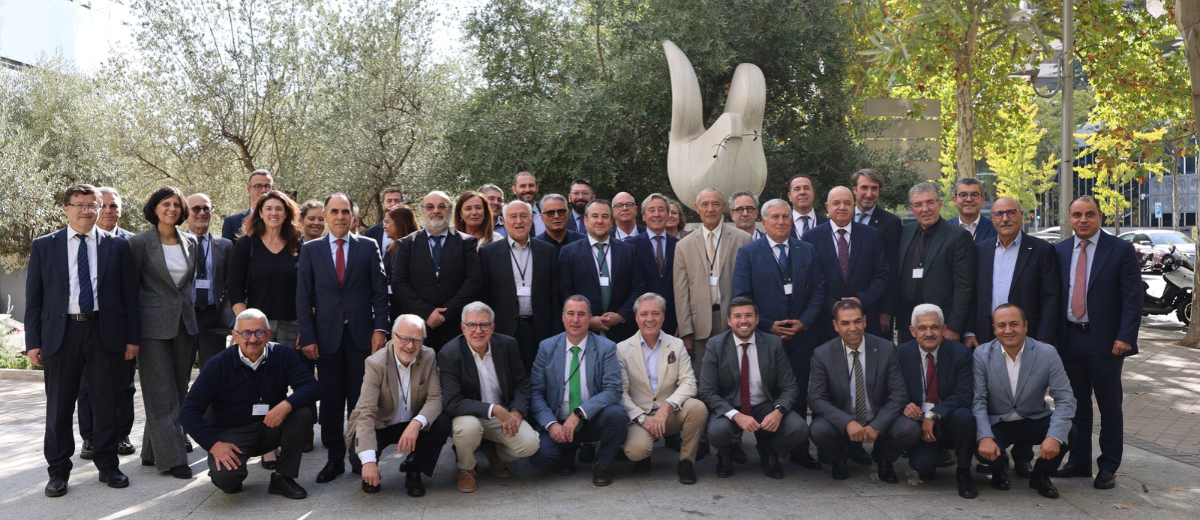
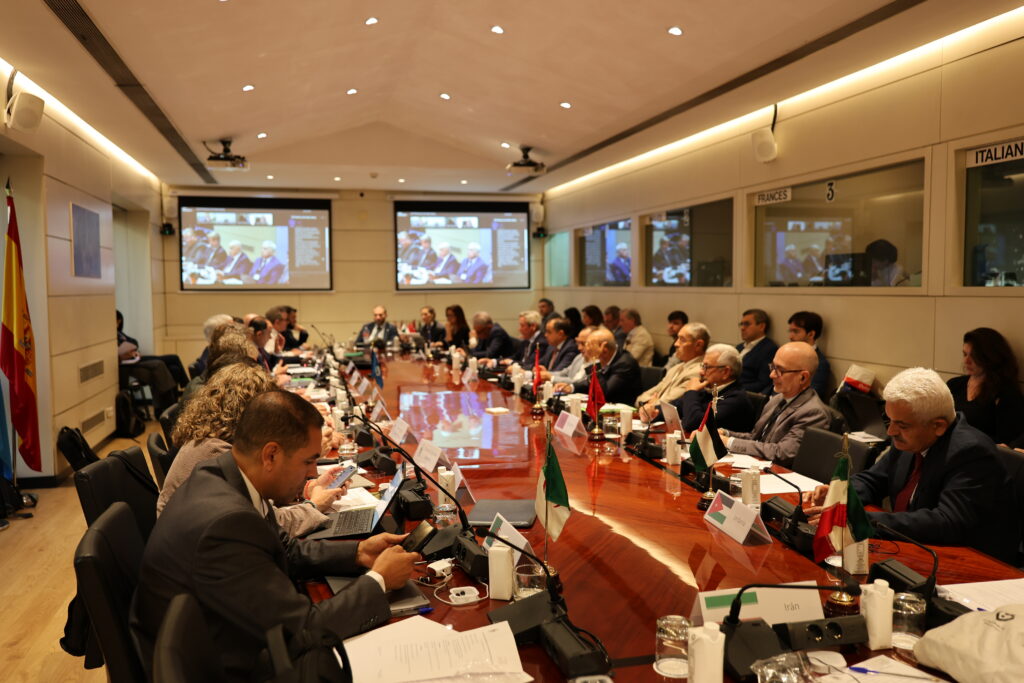
Producers, processors, traders and consumers came together for the 67th meeting of the IOC Advisory Committee on Olive Oil and Table Olives, bringing perspectives from across the international olive sector. The meeting gathered around 80 representatives from a committee of more than 180 members, alongside over 30 observers from 12 countries, to exchange experience and discuss shared priorities.
The meeting provided an opportunity to review the Executive Secretariat’s activities and, above all, exchange perspectives and experience among olive sector representatives from producing countries. Discussions focused on market prospects for the 2026/27 crop year and the IOC’s carbon balance calculator, which is now officially open and available for use worldwide.
The Advisory Committee connects the IOC’s Executive Secretariat with the professional sector, providing a forum for producers, processors, traders and consumers to contribute to the Organisation’s work. Its meetings allow participants to share developments in their countries and identify common priorities for the olive oil and table olive sector.
Market outlook for 2026/27
Participants reviewed preliminary estimates presented by the Organisation’s Deputy Executive Director, Abderraouf Laajimi. The data place European Union olive oil production at approximately 2.4 million tonnes for the 2026/27 crop year. Country estimates included 1.6 million tonnes for Spain, 195,000 tonnes for Portugal, 280,000 tonnes for Italy and 300,000 tonnes for Greece. The Deputy Director highlighted that demand for olive oil has considerable potential to grow as new markets develop around the world.
These figures remain estimates and may be revised as the crop year progresses. The exchange offered sector representatives an opportunity to compare national outlooks and discuss their implications for the international market.
IOC carbon balance calculator now available
The IOC presented its CO₂e Balance Tool for Olive Groves, developed through its Carbon Balance Project. Following validation using data from olive groves, the calculator is now available for use worldwide, helping users assess greenhouse gas emissions and carbon removals at plot level.
The tool combines emissions associated with grove management, including fertilisers, energy use and grazing livestock, with carbon removals in tree biomass and changes in soil organic carbon. Available in English, French and Spanish, it guides users through entering annual data for a plot and allows them to export results in PDF or Excel format.
The presentation included a case study illustrating how management practices and local conditions influence a grove’s net carbon balance. Users can also draw on previous annual reports to establish a baseline and explore improved management practices.
Advisory Committee representatives were invited to promote the tool within their organisations and professional networks, encourage its use and share feedback from the sector.
The tool and relevant information can be found on the IOC’s website.
A new Advisory Committee Bureau for 2027
In a spirit of collaboration and compromise, members agreed on a new Bureau with Italy as President, Spain as Vice-President for table olives, supported by deputies from Algeria and Iran, and Tunisia as Vice-President for olive oil, supported by deputies from Algeria and Tunisia. The proposal also includes two additional Bureau members from Jordan and Spain.
Together with the IOC Executive Secretariat, the Advisory Committee Bureau will help advance dialogue across the olive sector, bringing shared challenges to the table and turning discussion into common priorities for action. For more than 20 years, this Committee plays an essential role in ensuring that the IOC’s work reflects the experience, needs and priorities of the olive sector across its member countries.