
 Share
Share


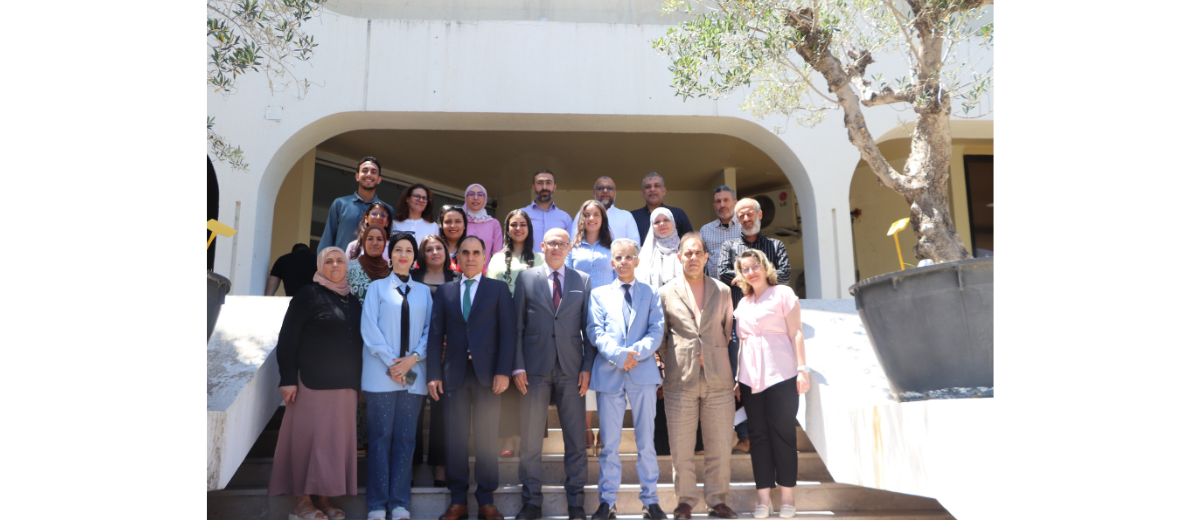
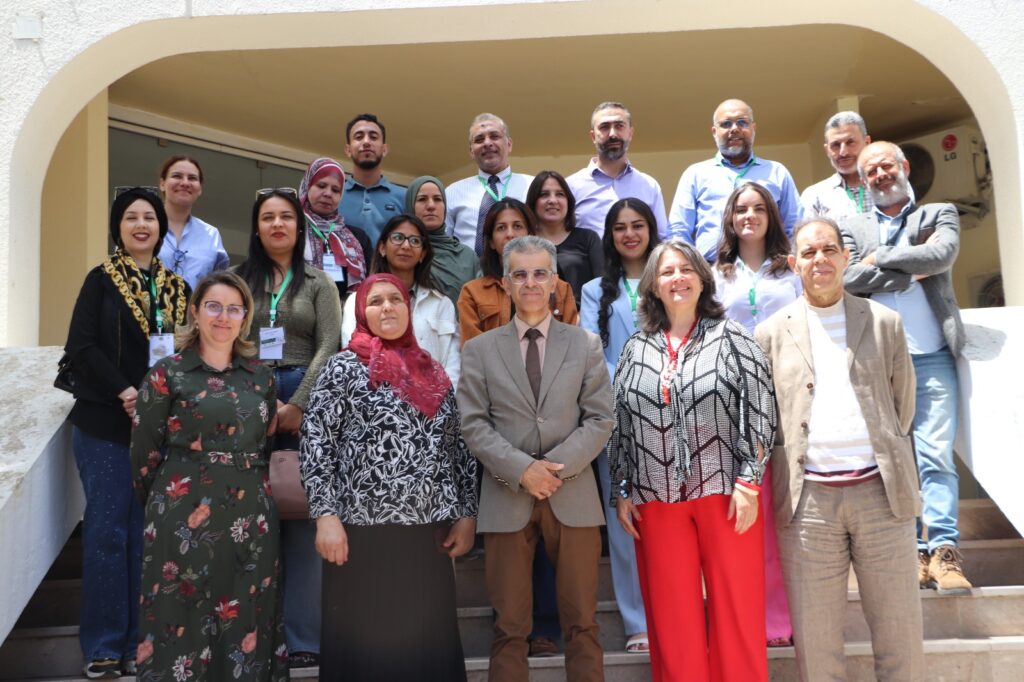
From 18 to 22 May 2026, the International Olive Council (IOC), at the request of the Office National de l’Huile (ONH) and with the logistical support of CIHEAM Zaragoza, is organising a regional training course on the organoleptic assessment of virgin olive oils at the International Training Centre of the ONH (ONH-OOC) in Tunisia.
The course brings together 20 participants from Egypt, Jordan, Lebanon, Libya, Morocco and Tunisia, including panel leaders, deputy panel leaders, tasters in training, laboratory technicians, producers and olive growers.
The opening session was attended by Kamel Ben Amour, Chief Executive Officer of the ONH, Ramzi Belkhodja of CIHEAM Zaragoza, Catarina Bairrão DSR Balula, Head of the IOC Technical Cooperation and Training Department, and Nouha Fares of the ONH. The closing session will feature the participation of IOC Deputy Executive Director Abderraouf Laajimi alongside Haikel Hechlef, Chief of Staff to the Minister of Agriculture, Water Resources and Fisheries, Ramzi Belkhodja of CIHEAM Zaragoza, and Moez Ben Amor, CEO of the ONH.
The programme combines theoretical and practical sessions on olive oil chemistry and standardisation, sensory analysis methods, positive and negative attributes of virgin olive oils, internal quality control, taster performance and the use of IOC tasting profile sheets, including tasting sessions based on the profile sheets of the IOC Mario Solinas Quality Award — the world’s most prestigious award for extra virgin olive oils.
This regional activity highlights the importance the IOC places on the adoption of international trade standards for olive oils, the application of physico-chemical and organoleptic assessment methods, and the strengthening of human capacities in IOC member countries. Through specialised training activities, the IOC continues to promote modern and efficient practices across the olive oil value chain, from the olive grove to the olive mill, while contributing to the improvement of olive oil quality and the fight against fraud.
Tunisia and the IOC
Tunisia is one of the founding member countries of the IOC and has long played an active role in the Organisation’s activities. The country has made remarkable progress in expanding its olive sector and improving virgin olive oil quality. This progress is reflected in the significant increase in IOC-recognised tasting panels and physico-chemical laboratories in the country. Tunisia had only one IOC-recognised tasting panel in 2010, compared with nearly 30 recognised panels in 2026.
In recent years, the IOC has regularly organised regional training courses in Arabic together with the ONH, aimed at strengthening the technical capacities of IOC member countries and supporting harmonised sensory evaluation practices across the region.
Tunisia’s growing role in the olive sector
During the 2025/26 crop year, Tunisia became the world’s second-largest producer of olive oil, behind Spain, with production reaching a record 500,000 tonnes. The olive sector represents more than half of Tunisia’s agricultural exports, while nearly 80% of national production is organic.
Tunisian extra virgin olive oils regularly receive international quality awards, further consolidating the country’s position as a major player in the global olive oil sector.