• Skip to main content

International Olive Council

The website of the International Olive Council

Logo Consejo Oleícola Internacional
Linkedin icon Twitter icon
  • Salud
  • Culinario
  • Sostenibilidad
Contratos Subvenciones Vacantes Patrocinio
Mail envelope Contacto
Magnifier Buscar
Person icon Área Privada
Person icon
Menu icon
MENUMENU
  • Who we are
    • Mission and Vision
    • Fundamental Texts
    • Governance and Structure
    • Member Countries and Observers
  • Qué Hacemos
    • Unidad de Normalización e Investigación
      • Normas COI, Métodos y Guías
      • Grupos de Trabajo
      • Reconocimiento de Laboratorios y Paneles
      • Premio del COI a la Calidad Mario Solinas
      • Apoyo Institucional del COI
      • Aceite de Oliva, Nutrición y Salud
      • Investigación en la Unidad de Normalización e Investigación
      • Base de Datos de Documentos del COI
    • Olive Growing, Olive Oil Technology and Environment Unit
      • Technical Cooperation and Training
      • Olive Oil Technology and the Environment
      • IOC Scholarships
      • Supporting Member Countries
      • External Projects and Institutional Agreements
      • IOC Network of International Olive Germplasm Banks
      • Key Projects and Technical Resources
    • Unidad de Asuntos Econónicos y Promoción
      • Market Statistics
      • Country Profiles
      • Promotion Campaigns
      • Grants for Promotion Activities
      • Studies & Seminars
  • Press Room
    • Artículos
    • Monthly Olive Sector Statistics
    • Olive Health Information System
    • Agenda 2026
    • Videos
    • Infographics
  • Key Projects
    • Carbon Balance Project
    • Catálogo mundial de variedades del olivo
    • El Día Mundial del Olivo
      • Celebraciones del Día Mundial del Olivo
    • IOC Published Documents
    • Glosario de la terminología oleícola
  • Normas
  • Estadísticas
  • Árabe
  • Inglés
  • Francés
  • Italiano
  • Español
Contratos Subvenciones Vacantes Patronage
Mail envelope Contacto
Magnifier Buscar
We are social
  • Linkedin icon
  • Twitter icon
MENUMENU
  • Who we are
    • Mission and Vision
    • Fundamental Texts
    • Governance and Structure
    • Member Countries and Observers
  • Qué Hacemos
    • Unidad de Normalización e Investigación
      • Normas COI, Métodos y Guías
      • Grupos de Trabajo
      • Reconocimiento de Laboratorios y Paneles
      • Premio del COI a la Calidad Mario Solinas
      • Apoyo Institucional del COI
      • Aceite de Oliva, Nutrición y Salud
      • Investigación en la Unidad de Normalización e Investigación
      • Base de Datos de Documentos del COI
    • Olive Growing, Olive Oil Technology and Environment Unit
      • Technical Cooperation and Training
      • Olive Oil Technology and the Environment
      • IOC Scholarships
      • Supporting Member Countries
      • External Projects and Institutional Agreements
      • IOC Network of International Olive Germplasm Banks
      • Key Projects and Technical Resources
    • Unidad de Asuntos Econónicos y Promoción
      • Market Statistics
      • Country Profiles
      • Promotion Campaigns
      • Grants for Promotion Activities
      • Studies & Seminars
  • Press Room
    • Artículos
    • Monthly Olive Sector Statistics
    • Olive Health Information System
    • Agenda 2026
    • Videos
    • Infographics
  • Key Projects
    • Carbon Balance Project
    • Catálogo mundial de variedades del olivo
    • El Día Mundial del Olivo
      • Celebraciones del Día Mundial del Olivo
    • IOC Published Documents
    • Glosario de la terminología oleícola
  • Normas
  • Estadísticas
  • Árabe
  • Inglés
  • Francés
  • Italiano
  • Español
  • Salud
  • Culinario
  • Sostenibilidad
Tools icon

IOC NEWS

Home / Blog / This week on the Olive Health Information System website, the newsletter of the University of Navarra and the IOC dedicated to health
Enviar noticiaShare Enlace a facebook Enlace a twitter Enlace a linkedin

This week on the Olive Health Information System website, the newsletter of the University of Navarra and the IOC dedicated to health

MADRID, ESPAÑA / 28.06.2023

This week we first focus on a systematic review and meta-analysis that looks at the effect of olive oil consumption on body fat distribution in adults. The study’s findings suggest that olive oil consumption (for cooking or as a supplement) is associated with a favorable impact on body fat levels, as its intake is inversely related to body fat accumulation. The anti-obesity properties of olive oil are attributed to its unique composition of monounsaturated fatty acids, antioxidants, and anti-inflammatory compounds. The researchers go on to highlight the potential mechanisms underlying the observed effects of olive oil on body fat. These include enhanced satiety, improved lipid metabolism, increased thermogenesis, and modulation of adipokine secretion. Additionally, olive oil’s ability to promote the growth of beneficial gut bacteria is considered a contributing factor in its impact on body fat reduction. Despite the overall positive association between olive oil consumption and body fat regulation, further research is needed to establish causal relationships and investigate potential confounding factors.

The second study we zoom in on investigates the relationship between polyphenol intake and mortality rates in a population-based cohort in Spain (ENRICA). As we know, polyphenols are one of the most abundant dietary bioactive compounds in plants and can be found in different foods, including olive oil. Polyphenols have been previously associated with reduced risk of chronic diseases, including cardiovascular disease (CVD), cancer, and neurodegenerative disorders. Additionally, polyphenols may modulate gut microbiota composition, further influencing overall health outcomes. In the present study, researchers showed a significant association between higher polyphenol intake and reduced mortality rates. This association remained significant even after adjusting for various confounding factors such as age, sex, body mass index, smoking status, and overall diet quality. Additionally, specific subclasses of polyphenols and their potential effects on mortality were analyzed. Tyrosol, for instance, which mainly comes from olive oil, showed a protective association with a lower all-cause mortality risk of 20%, and a non-significant lower CVD mortality risk of 29%. Overall, the present study suggests that a diet rich in polyphenol-containing foods may contribute to improved health and longevity. Nonetheless, further research is recommended to confirm these findings and explore the specific mechanisms by which polyphenols exert their beneficial effects on mortality.

Click HERE to see the latest posts…

Enviar noticiaShare Enlace a facebook Enlace a twitter Enlace a linkedin
Last Posts
Ganadores de la 26ª edición del Premio a la Calidad Mario Solinas Hemisferio Norte

España, Italia, Túnez y China son los países de origen de los veinte aceites de oliva virgen extra que han obtenido este año este reconocimiento a la calidad. El Consejo Oleícola Internacional (COI) se complace en...

Info

IOC and Azerbaijan reinforce cooperation following recent accession

  The International Olive Council (IOC) welcomed a high-level delegation from the Republic of Azerbaijan on 20 April for a working visit aimed at strengthening institutional dialogue and consolidating cooperation...

Info

Global excellence in extra virgin olive oil under evaluation at the 26th Mario Solinas Quality Award

International Jury convenes in Madrid to assess 123 EVOOs from across the northern hemisphere From 14 to 17 April 2026, the International Olive Council (IOC) hosted the international jury of the 26th edition of the Mario...

Info

International olive council logo
Privacy Policy
Somos sociales
  • Linkedin icon
  • Twitter icon
© International Olive Council, 2026
Gestionar consentimiento de cookies
Para proporcionar las mejores experiencias, utilizamos tecnologías como las cookies para almacenar y/o acceder a la información del dispositivo. Consentir estas tecnologías nos permitirá procesar datos como el comportamiento de navegación o IDs únicos en este sitio. No consentir o retirar el consentimiento, puede afectar negativamente a ciertas características y funciones.
Funcional Siempre activo
El almacenamiento o acceso técnico es estrictamente necesario para el fin legítimo de permitir el uso de un servicio específico solicitado explícitamente por el abonado o usuario, o con el único fin de llevar a cabo la transmisión de una comunicación a través de una red de comunicaciones electrónicas.
Preferencias
El almacenamiento o acceso técnico es necesario para el fin legítimo de almacenar preferencias no solicitadas por el abonado o usuario.
Estadísticas
El almacenamiento o acceso técnico que se utiliza exclusivamente con fines estadísticos. El almacenamiento o acceso técnico que se utiliza exclusivamente con fines estadísticos anónimos. Sin una citación judicial, el cumplimiento voluntario por parte de su proveedor de servicios de Internet o registros adicionales de un tercero, la información almacenada o recuperada únicamente con este fin no puede utilizarse normalmente para identificarle.
Marketing
El almacenamiento o acceso técnico es necesario para crear perfiles de usuario para enviar publicidad, o para seguir al usuario en un sitio web o en varios sitios web con fines de marketing similares.
Administrar opciones Gestionar los servicios Gestionar {vendor_count} proveedores Leer más sobre estos propósitos
Ver preferencias
{title} {title} {title}

Culinary

Olive Oil and the Plant-Forward Kitchen

Discover how the Mediterranean Diet inspires contemporary cooking.

Explore this collaboration between the International Olive Council and The Culinary Institute of America, designed to promote healthy, sustainable and flavourful food choices, with a strong focus on technical training and menu innovation for chefs.

External link

COI logo
CIA logo

Salud

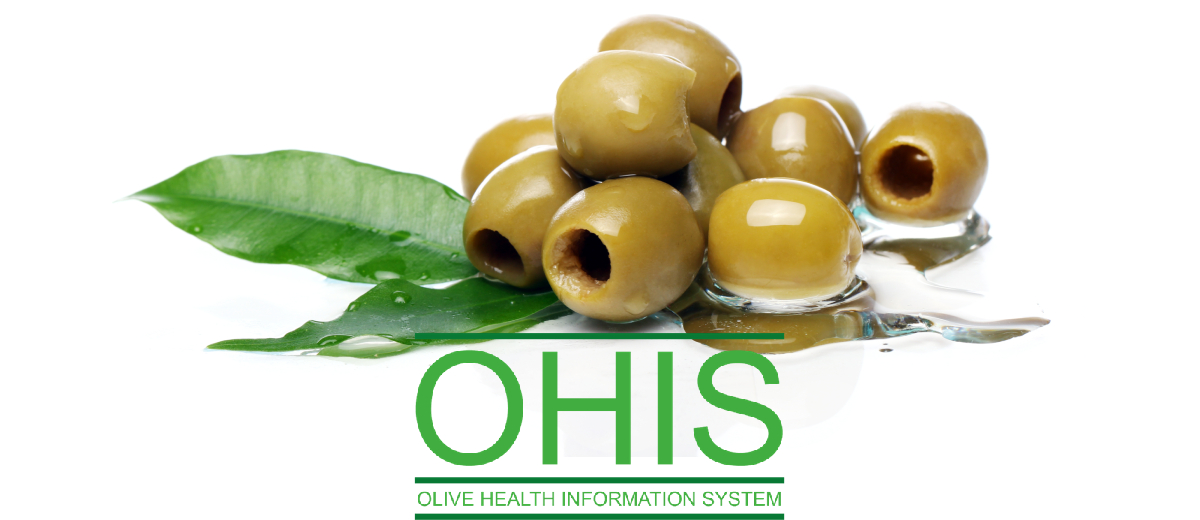
El COI y la Universidad de Navarra, a través de OHIS (Olive Health Information System), una plataforma dedicada a la investigación sobre las propiedades saludables del aceite de oliva y las aceitunas de mesa, publican semanal o quincenalmente una recopilación de artículos científicos y un resumen de las investigaciones realizadas en este ámbito.

Estos artículos ponen de relieve los numerosos beneficios para la salud de estos productos.

Puede leer los resúmenes de estas investigaciones aquí en francés, inglés y español y acceder a la lista de artículos, o visitar el portal de OHIS.

Summaries OHIS portal

Para cualquier asistencia, póngase en contacto con iooc@internationaloliveoil.org.

Sustainability in the Olive Sector

Access the sustainability portal developed in collaboration between the IOC, the University of Jaén and the Instituto Universitario de Investigación en Olivar y Aceites de Oliva.

Explore research, tools and knowledge supporting sustainable olive growing and responsible production practices.

External link

X