
 Share
Share


A historic milestone in the conservation of olive genetic diversity, made possible thanks to the collaboration of various organisations and research centres.
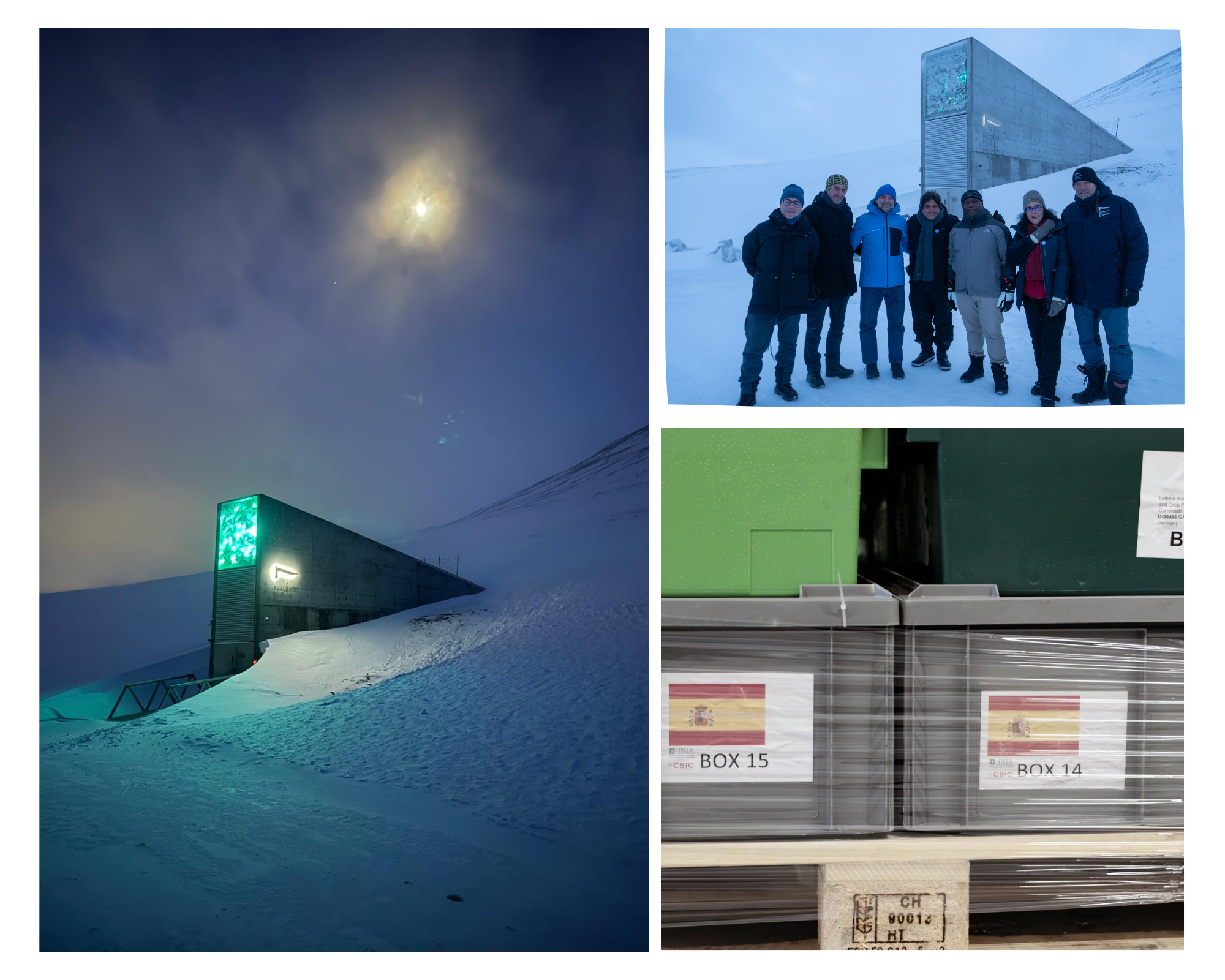
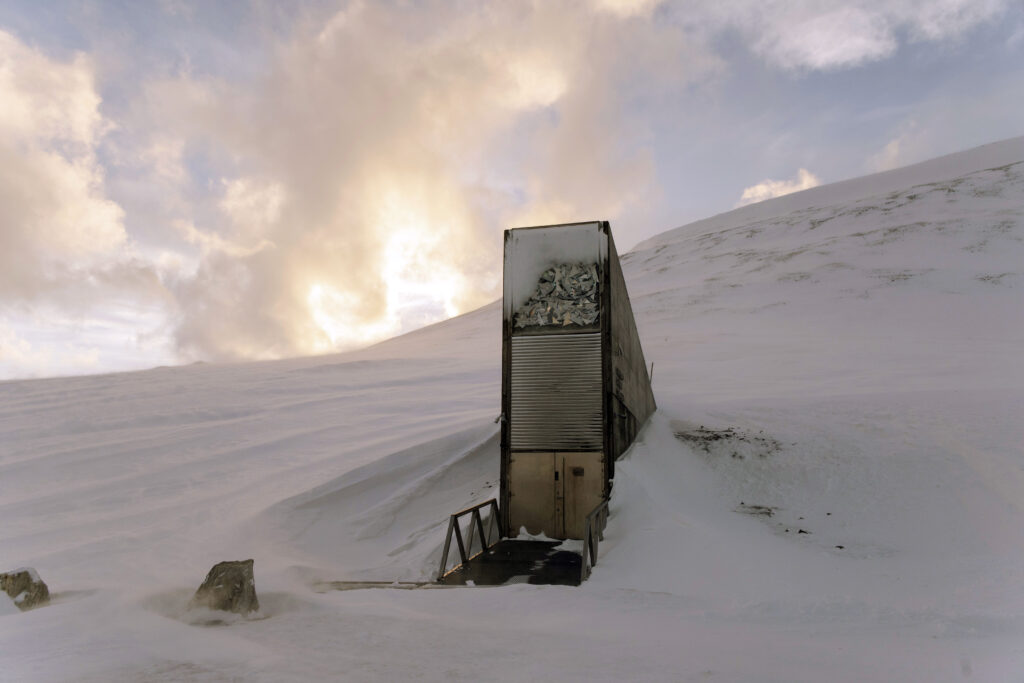
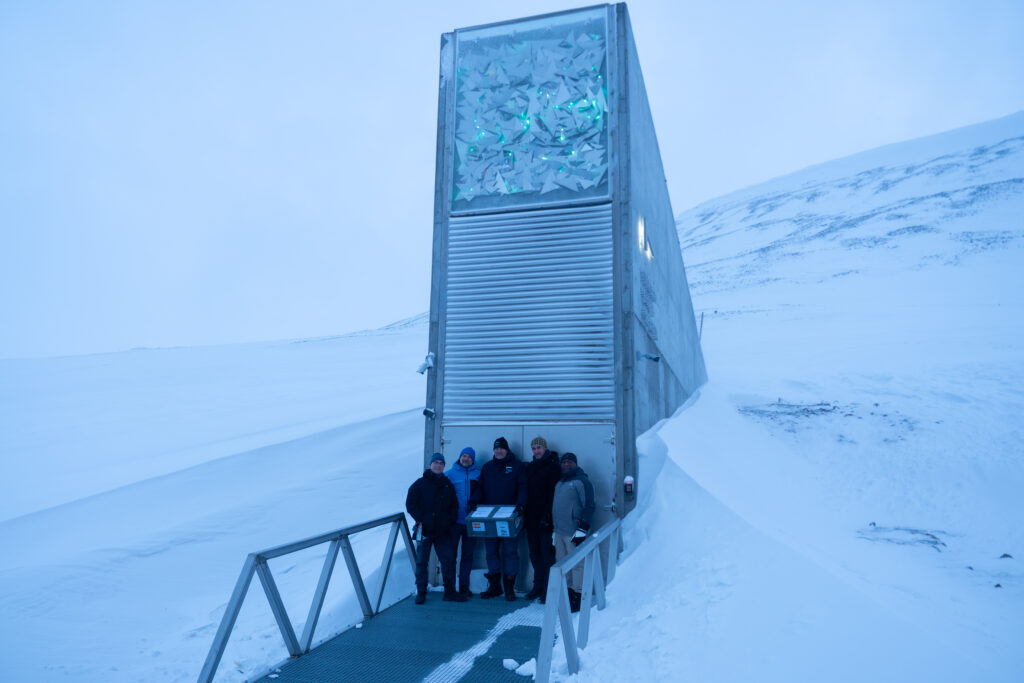
 The International Olive Council (IOC) took part in the first-ever deposit of olive seeds in the Svalbard Global Seed Vault (Norway), the world’s largest facility dedicated to the long-term conservation of agricultural seeds.
Due to adverse weather conditions, the international delegation was unable to continue its journey to Svalbard and was temporarily stranded in Tromsø (on the mainland), but the seeds have already been deposited and stored in the conservation chambers.
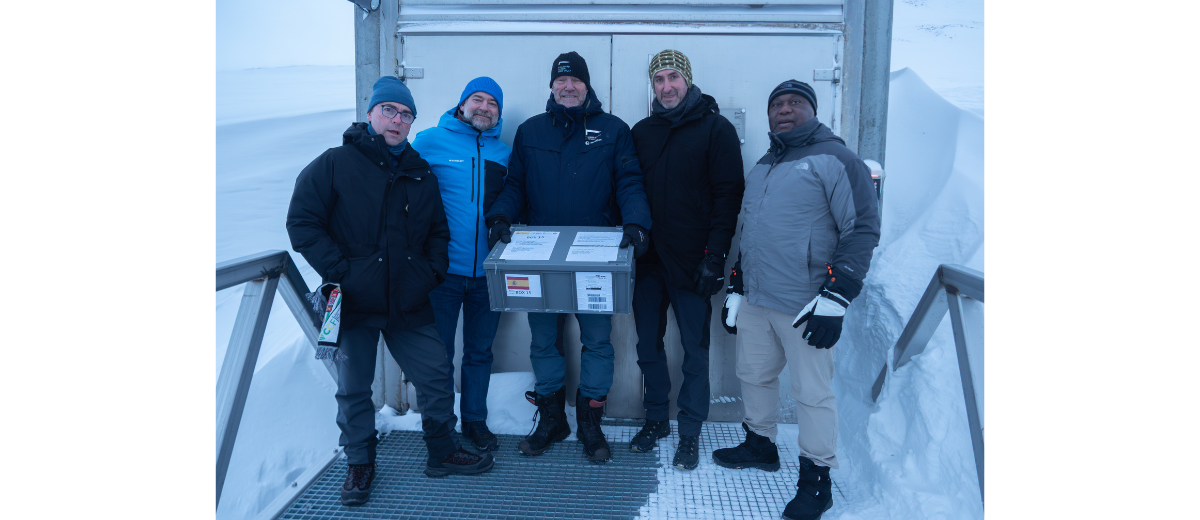
Although the planned delegation was unable to travel in its entirety due to weather conditions, Jaime Lillo, Executive Director of the IOC, and Kent Nnadozie, Secretary of the ITPGRFA (FAO), managed to reach Svalbard and held a symbolic handover ceremony on Thursday afternoon.
This represents a major step forward in protecting the global genetic heritage of the olive tree. This emblematic species of the Mediterranean basin — now cultivated on all five continents — is not immune to major global challenges such as climate change, biodiversity loss, or the emergence of new pests and diseases. Preserving the olive tree means safeguarding an ancient crop of immense environmental value — capable of acting as a carbon sink — and ensuring the production of the healthiest oil in the world, essential for nourishing a growing global population in a healthy and sustainable way.
The initiative was launched within the framework of the European H2020 GEN4OLIVE project and was subsequently promoted by the IOC, , the Food and Agriculture Organization of the United Nations (FAO) and the Spanish Ministry of Agriculture, Fisheries and Food (MAPA). The University of Córdoba (UCO), the University of Granada (UGR) and the Plant Genetic Resources Centre (CRF-INIA) of the National Institute for Agricultural and Food Research and Technology (INIA), part of the Spanish National Research Council (CSIC), also collaborated on this initiative. This cooperation demonstrates that the conservation of traditional and wild olive varieties is not merely a scientific endeavour, but a collective commitment to strengthening agricultural resilience and ensuring future food security.
“The seeds we have deposited are the legacy of farmers who, throughout history, selected the most resistant trees — those that produced the best fruit or adapted to diverse soils, climates and diverse conditions. These seeds are a guarantee that future generations will continue to enjoy such an extraordinary product as olive oil,” said Jaime Lillo, Executive Director of the IOC.
For Kent Nnadozie, Secretary of the International Treaty on Plant Genetic Resources for Food and Agriculture (ITPGRFA), this deposit demonstrates what is possible when countries, research institutions and international organisations work together to safeguard the crops that sustain humanity. “The first-ever deposit of olive seeds in the Svalbard Global Seed Vault is a landmark moment for both the olive sector and the International Treaty’s Multilateral System. It demonstrates what is possible when countries, research institutions and international organizations work together to safeguard the crops that sustain humanity. Protecting agricultural diversity requires long-term commitment, and continued investment in the International Treaty and its global partnerships is essential to ensure these irreplaceable resources remain available for future generations,” he stated.
Luis Planas, Spain’s Minister for Agriculture, stated that: “In Svalbard — also known as the Noah’s Ark of seeds — olive seeds, one of the great treasures of our agriculture, are entering for the first time. The olive tree represents a millennia-old example of wisdom, knowledge and adaptation. The successive populations that have inhabited the Mediterranean basin have passed down, from generation to generation, the finest olive trees. Moreover, the transmission of the best-adapted genetic resources has gone hand in hand with the knowledge developed for their cultivation, with a clear purpose: to meet the food needs of people at every stage in history. The deposit of olive seeds in the Norwegian archipelago of Svalbard safeguards this phytogenetic heritage for the benefit of future generations.”
Cooperation to protext the olive tree
The process required rigorous scientific work, including fruit collection, processing and drying of endocarps, evaluation of seed germination viability, and conservation under controlled conditions, following internationally established protocols for such deposits.
The seeds originate from open-pollinated trees in the collection of the World Olive Germplasm Bank of Córdoba – UCO Collection (BGMO-UCO), which houses more than 700 varieties from IOC member countries including Albania, Algeria, Cyprus, Croatia, Spain, France, Greece, Italy, Morocco, Portugal, Syria, Tunisia and Türkiye. They also include seeds from wild olive trees (oleasters) collected from natural populations across the Iberian Peninsula and the Canary Islands by the University of Granada.
“Genetic diversity guarantees the continuity of any crop. Without genetic variability, it is not possible to develop new varieties capable of adapting to today’s challenges,” explains Concepción Muñoz-Díez, Associate Professor in the Department of Agronomy at the University of Córdoba. She adds that it is therefore essential to conserve the olive trees’ wild relatives, which often “harbour genes for resistance to diseases and abiotic stresses — such as drought or high temperatures — that are underrepresented in currently cultivated material.”
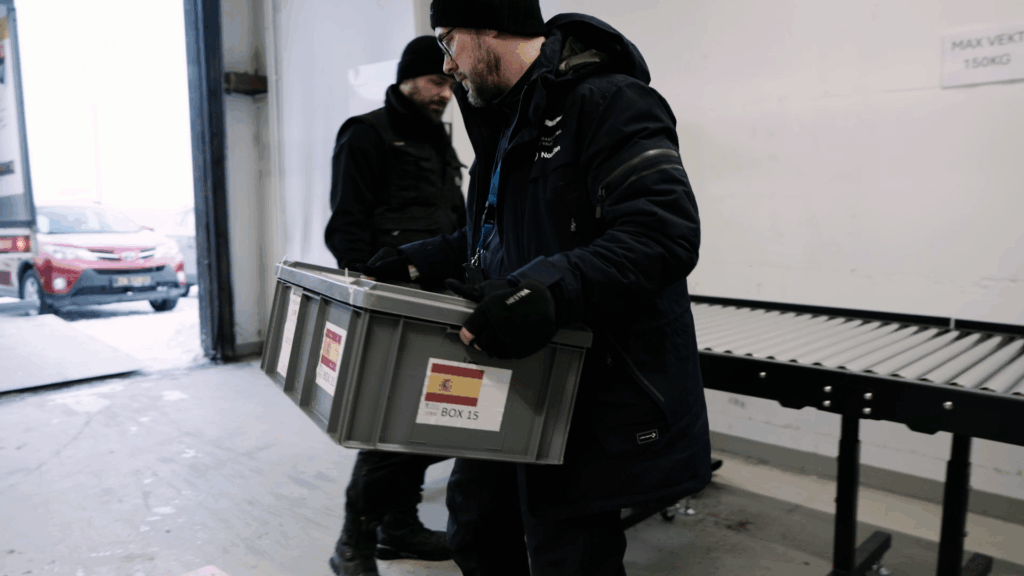
The seeds were divided into three batches: one to remain available for use within the BGMO-UCO collection, and two sent to the Plant Genetic Resources Centre, which is responsible for long-term conservation in Spain. At the CRF, germination tests were carried out to confirm seed viability, and the shipment to Svalbard was organised. The seeds were placed in specially designed hermetically sealed envelopes, clearly labelled and accompanied by the relevant documentation. One batch of samples is conserved in Spain at the CRF, stored in airtight containers at –18°C under the same conditions as those of the Svalbard Global Seed Vault.
“The samples we conserve allow us to verify every ten years that the material remains in good condition. If, over time, viability were to decline, we could replace it,” explains Luis M. Guasch, Director of the CRF. “A total of approximately 46,000 seed samples are stored in this chamber, all correctly identified and traceable, enabling us to guarantee their monitoring and conservation under optimal conditions.”
Finally, the material was sent by CSIC to Svalbard, where it was to be delivered by a delegation composed of Jaime Lillo, Executive Director of the IOC; Juan Antonio Polo, Head of Olive Oil Technology and Environment at the IOC; Pablo Morello, Head of the World Olive Germplasm Bank at the University of Córdoba; and Hristofor Miho, researcher and project manager of GEN4OLIVE at the University of Córdoba.
“This first deposit of olive seeds in the Svalbard Global Seed Vault marks a historic milestone for the global conservation of our crops. Safeguarding olive diversity provides an essential safety net for producers, researchers and the global olive sector in the face of the growing challenges of an uncertain future. The Crop Trust congratulates the IOC for taking this decisive step towards the long-term conservation of olive genetic resources,” commented Stefan Schmitz, Executive Director of the Crop Trust.
For Lene Krøl Andersen, NordGen Executive Director: “Olives are important not only because of their health benefits and as a vital source of income for growers across the Mediterranean, but also since they are a deeply rooted cultural symbol that it is difficult to imagine life without. However, we are also witnessing the threat that climate change, pests and diseases pose to olive harvests. This is why we are particularly pleased to be able to secure olives in Svalbard Global Seed Vault for the first time during this deposit.”
The IOC has documented each stage of this process and is currently producing a documentary that will take viewers — alongside the olive seeds — from the high temperatures of Córdoba to the remote Arctic ice of Norway.