
 Share
Share


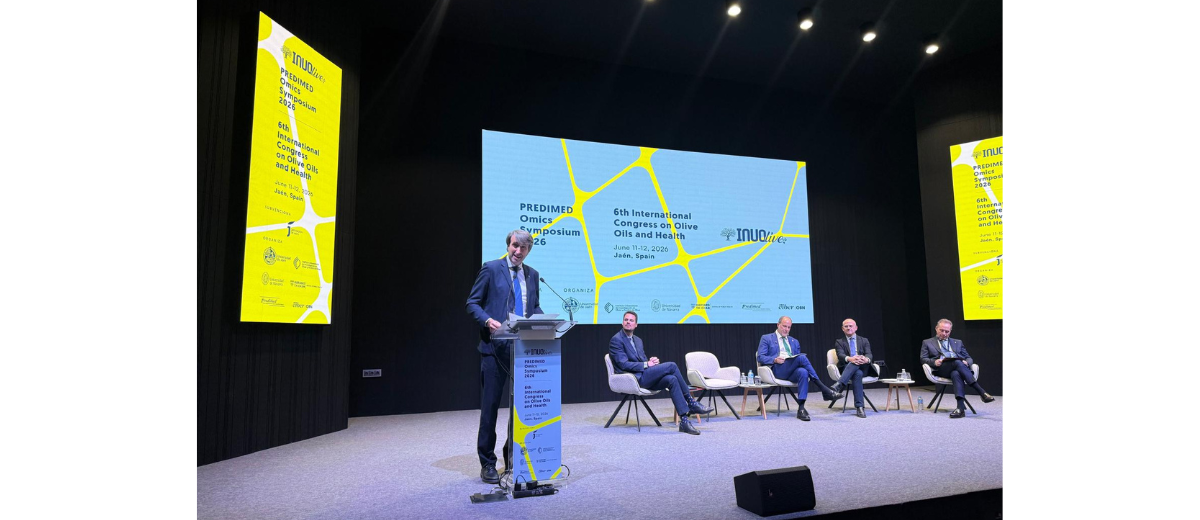
The International Olive Council (IOC) is taking part in the PREDIMED-OMICS Symposium 2026 and the 6th International Congress on Olive Oils and Health, an international scientific gathering bringing together leading experts in nutrition, epidemiology and public health to discuss the latest evidence on the relationship between extra virgin olive oil, the Mediterranean diet and the prevention of chronic diseases.
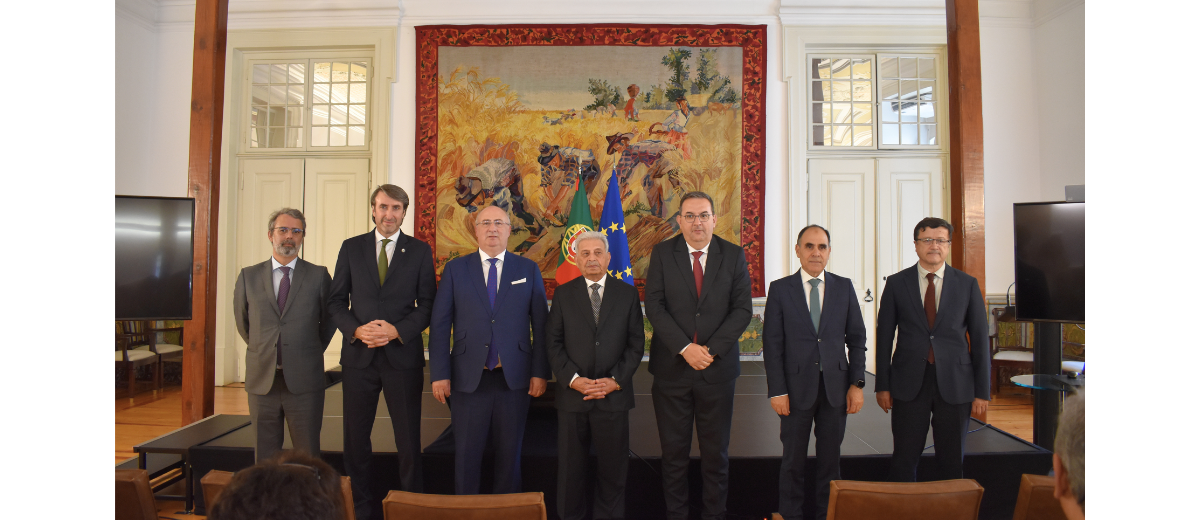
IOC Executive Director Jaime Lillo participated in the official opening ceremony on Thursday, alongside representatives of the University of Jaén, the Spanish Ministry of Agriculture, Fisheries and Food and renowned scientists including Miguel Ángel Martínez-González, Chair Professor at the University of Navarra and Frank Hu, Head of the Department of Nutrition at the Harvard T.H. Chan School of Public Health.
“Today, one out of every three kilograms of olive oil produced worldwide is exported. What was once a distinctly Mediterranean product has become a truly global food, propelled by scientific evidence and by consumers who are increasingly conscious of the importance of healthy eating,” said Jaime Lillo in his inauguration speech.
On Friday, IOC Deputy Executive Director Abderraouf Laajimi will address participants during a session devoted to updating the scientific evidence on the effects of olive oils on health. The full programme of the symposium can be found here.
Jointly organised by the University Institute for Olive and Olive Oil Research of the University of Jaén and leading researchers from the University of Navarra and Harvard University, the symposium builds on more than two decades of scientific work that have helped establish extra virgin olive oil as one of the cornerstones of healthy dietary patterns.
Decades of evidence on the benefits of extra virgin olive oil
The meeting brings together many of the scientists who have contributed to the growing body of evidence linking the consumption of extra virgin olive oil and the Mediterranean diet with better health outcomes. Under the leadership of researchers such as Miguel Ángel Martínez-González, principal investigator of the landmark PREDIMED study, and Frank Hu, one of the world’s foremost authorities on nutrition and chronic disease prevention, research has consistently demonstrated the protective effects of Mediterranean dietary patterns rich in olive oil.
Numerous studies have shown that regular consumption of extra virgin olive oil is associated with a reduced risk of cardiovascular disease, type 2 diabetes, certain cancers and neurodegenerative disorders, while also contributing to healthy ageing and improved metabolic health. Rich in monounsaturated fatty acids and bioactive compounds, particularly polyphenols, extra virgin olive oil exerts anti-inflammatory and antioxidant effects that are increasingly recognised as key factors in the prevention of chronic diseases.
The 2026 edition of the symposium addresses topics ranging from cardiometabolic prevention and metabolomics to precision nutrition, healthy ageing and the role of diet in cancer prevention, reflecting the breadth and maturity of research in this field.
The IOC and the University of Navarra have long collaborated through the Olive Health Information System, an initiative that regularly disseminates multilingual summaries of the latest scientific findings, showcasing the wide-ranging benefits of extra virgin olive oil for human health.
Building on the legacy of World Olive Day 2024
The event also brings together several of the scientists who took part in the World Olive Day 2024, dedicated to the Mediterranean Diet Pyramid. On that occasion, the IOC highlighted the Mediterranean diet as a model of healthy and sustainable eating, underlining the central role played by olive oil within this dietary pattern.
The participation of many of these internationally recognised experts in Jaén once again illustrates the close links between the scientific community and the IOC’s efforts to promote knowledge about the nutritional, cultural and environmental value of olive products.
As research continues to advance, the evidence remains clear: extra virgin olive oil is much more than a traditional food. It is a scientifically validated component of healthy and sustainable diets, offering benefits that extend from cardiovascular protection to healthy ageing and the prevention of chronic diseases.