
 Share
Share


International Jury convenes in Madrid to assess 123 EVOOs from across the northern hemisphere
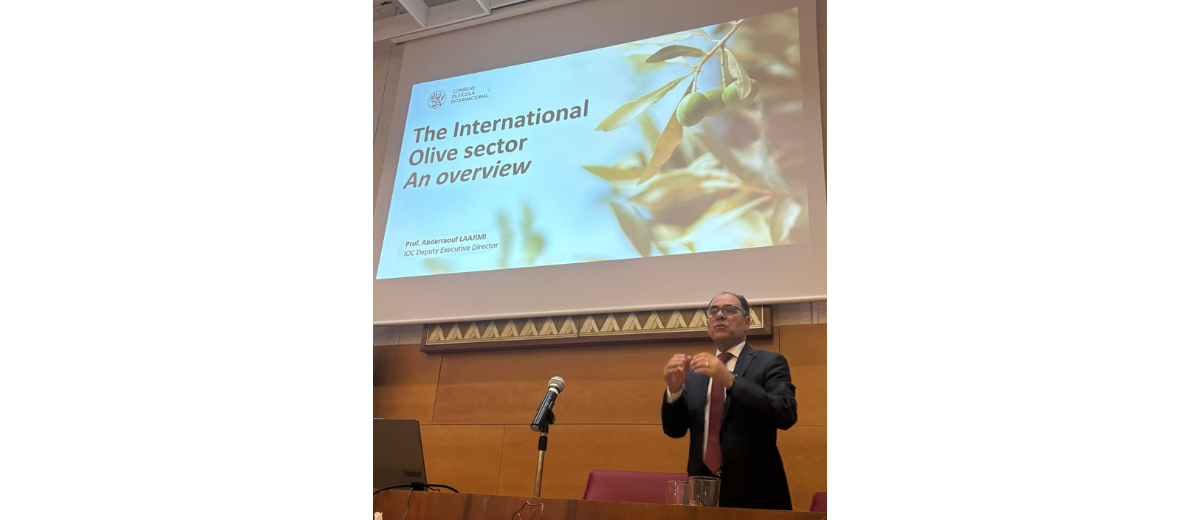
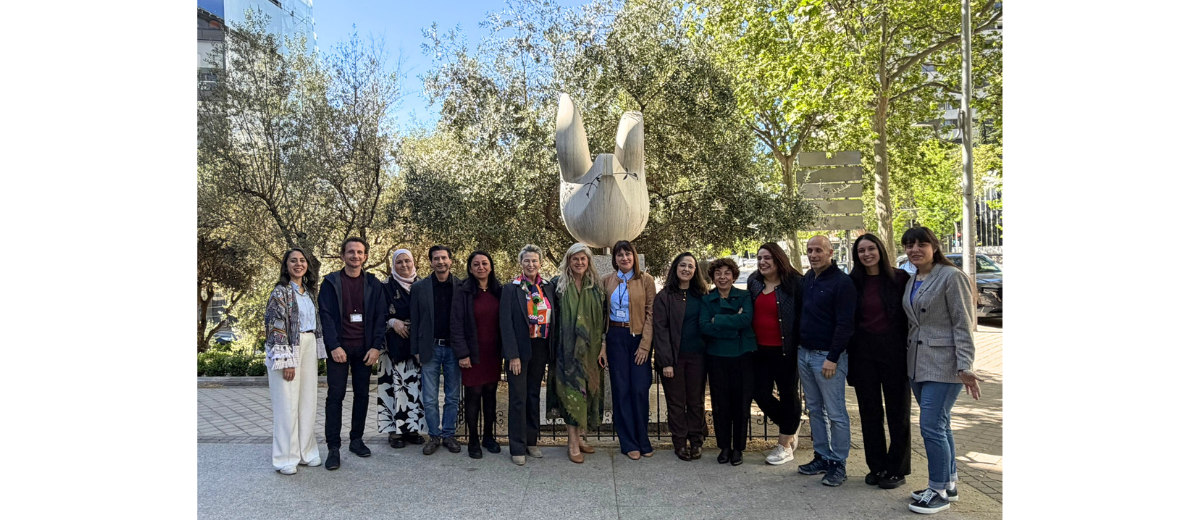
From 14 to 17 April 2026, the International Olive Council (IOC) hosted the international jury of the 26th edition of the Mario Solinas Quality Awards for northern hemisphere extra virgin olive oils (EVOOs) at its headquarters in Madrid.
During four intensive days of evaluation, the jury — composed of panel leaders from IOC-recognised tasting laboratories — assessed a total of 123 samples submitted by producers from eleven countries: Spain, France, Italy, Morocco, Tunisia, Portugal, Greece, Jordan, China, Algeria and Iran.
This prestigious competition, which has been running since the 2000/2001 crop year, continues to recognise excellence in the organoleptic quality of extra virgin olive oils, paying tribute to Professor Mario Solinas, a pioneer and leading advocate of sensory analysis in the olive oil sector.
The tasting sessions were conducted using the IOC Panel platform, developed by the Fundación del Olivar, which guarantees a rigorous, harmonised and transparent evaluation process.
The oils were assessed across the following categories: robust, medium or delicate green fruitiness; ripe fruitiness; small-scale producers; and packers.
The winners of this year’s edition will be announced next week on the IOC website and celebrated during an official ceremony to be held on 18 June 2026 at the IOC headquarters in Madrid.
In parallel, the IOC continues to strengthen its global outreach with the third edition of the Mario Solinas Quality Award for southern hemisphere EVOOs, scheduled to take place in Uruguay later this year.
Why is sensory analysis of olive oil essential?
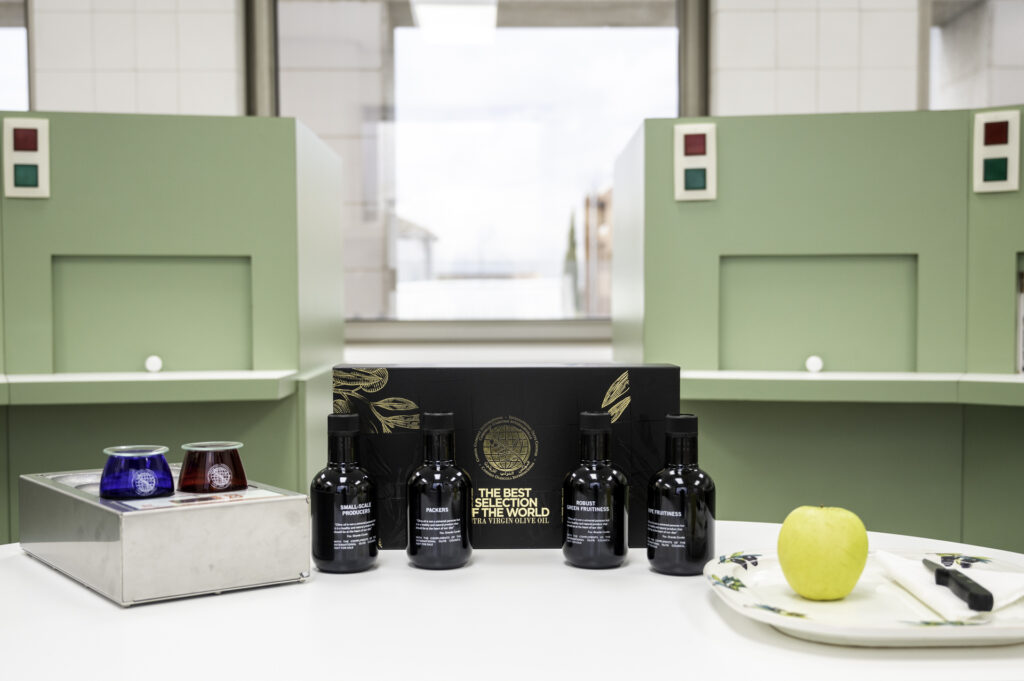 Sensory analysis lies at the heart of olive oil quality assessment. Unlike many other food products, the classification of virgin olive oils — including extra virgin — depends not only on chemical parameters but also on their organoleptic characteristics.
Through trained tasting panels, experts evaluate key positive attributes such as:
- Fruitiness: the aromatic profile derived from fresh olives, which can range from green (herbaceous, leafy) to ripe (fruity, sweet notes).
- Bitterness: a characteristic linked to phenolic compounds, often associated with freshness and stability.
- Pungency: a peppery sensation felt in the throat, also indicative of the presence of antioxidants.
These attributes define the sensory identity of an olive oil and underpin the classification into categories such as robust, medium or delicate fruitiness.
At the same time, sensory analysis is crucial for detecting defects — such as rancidity, mustiness or fustiness — which disqualify oils from the extra virgin category.
By combining scientific methodology with human expertise, sensory evaluation ensures quality control and authenticity, market transparency, the promotion of excellence in the production of EVOOs and, ultimately, consumer protection.
The IOC’s non-for-profit competition, the Mario Solinas Quality Award, plays a vital role in highlighting the diversity and richness of olive oils worldwide, while reinforcing the importance of sensory excellence as a benchmark for the sector.