• Skip to main content

International Olive Council

The website of the International Olive Council

Logo Consejo Oleícola Internacional
Linkedin icon Twitter icon
  • Salud
  • Culinario
  • Sostenibilidad
Contratos Subvenciones Vacantes Patrocinio
Mail envelope Contacto
Magnifier Buscar
Person icon Área Privada
Person icon
Menu icon
MENUMENU
  • Acerca del COI
    • Mensaje de Bienvenida
    • Misión y Textos Básicos
    • Estructura
    • Lista de miembros del COI
    • Dónde estamos
    • Noticias
  • Qué Hacemos
    • Unidad de Normalización e Investigación
      • Normas COI, Métodos y Guías
      • Grupos de Trabajo
      • Reconocimiento de Laboratorios y Paneles
      • Premio del COI a la Calidad Mario Solinas
      • Apoyo Institucional del COI
      • Aceite de Oliva, Nutrición y Salud
      • Investigación en la Unidad de Normalización e Investigación
      • Base de Datos de Documentos del COI
    • Olive Growing, Olive Oil Technology and Environment Unit
      • Technical Cooperation and Training
      • Olive Oil Technology and the Environment
      • IOC Scholarships
      • Supporting Member Countries
      • External Projects and Institutional Agreements
      • IOC Network of International Olive Germplasm Banks
      • Key Projects and Technical Resources
    • Unidad de Gestión Financiera
    • Unidad de Asuntos Econónicos y Promoción
      • Market Statistics
      • Country Profiles
      • Promotion Campaigns
      • Grants for Promotion Activities
      • Studies & Seminars
    • Unidad de Gestión Administrativa y Recursos Humanos
    • Observatorio y Sistemas Informáticos
    • Salud
    • Culinario
    • Sostenibilidad
    • Estadísticas
  • El Mundo del Olivo
    • El Olivo
    • Aceitunas de Mesa
    • Aceite de Oliva
    • Aceite de Oliva y Salud
    • Aceitunas Caseras
    • Museos y Rutas del Olivo
    • El Día Mundial del Olivo
      • Celebraciones del Día Mundial del Olivo
    • Recetas
    • Glosario
  • Recursos
    • Carbon Balance Project
    • Catálogo mundial de variedades del olivo
    • IOC Published Documents
    • Videos
    • Infographics
  • Normas
  • Estadísticas
  • Árabe
  • Inglés
  • Francés
  • Italiano
  • Español
Contratos Subvenciones Vacantes Patronage
Mail envelope Contacto
Magnifier Buscar
We are social
  • Linkedin icon
  • Twitter icon
MENUMENU
  • Acerca del COI
    • Mensaje de Bienvenida
    • Misión y Textos Básicos
    • Estructura
    • Lista de miembros del COI
    • Dónde estamos
    • Noticias
  • Qué Hacemos
    • Unidad de Normalización e Investigación
      • Normas COI, Métodos y Guías
      • Grupos de Trabajo
      • Reconocimiento de Laboratorios y Paneles
      • Premio del COI a la Calidad Mario Solinas
      • Apoyo Institucional del COI
      • Aceite de Oliva, Nutrición y Salud
      • Investigación en la Unidad de Normalización e Investigación
      • Base de Datos de Documentos del COI
    • Olive Growing, Olive Oil Technology and Environment Unit
      • Technical Cooperation and Training
      • Olive Oil Technology and the Environment
      • IOC Scholarships
      • Supporting Member Countries
      • External Projects and Institutional Agreements
      • IOC Network of International Olive Germplasm Banks
      • Key Projects and Technical Resources
    • Unidad de Gestión Financiera
    • Unidad de Asuntos Econónicos y Promoción
      • Market Statistics
      • Country Profiles
      • Promotion Campaigns
      • Grants for Promotion Activities
      • Studies & Seminars
    • Unidad de Gestión Administrativa y Recursos Humanos
    • Observatorio y Sistemas Informáticos
    • Salud
    • Culinario
    • Sostenibilidad
    • Estadísticas
  • El Mundo del Olivo
    • El Olivo
    • Aceitunas de Mesa
    • Aceite de Oliva
    • Aceite de Oliva y Salud
    • Aceitunas Caseras
    • Museos y Rutas del Olivo
    • El Día Mundial del Olivo
      • Celebraciones del Día Mundial del Olivo
    • Recetas
    • Glosario
  • Recursos
    • Carbon Balance Project
    • Catálogo mundial de variedades del olivo
    • IOC Published Documents
    • Videos
    • Infographics
  • Normas
  • Estadísticas
  • Árabe
  • Inglés
  • Francés
  • Italiano
  • Español
  • Salud
  • Culinario
  • Sostenibilidad
Tools icon

IOC NEWS

Home / Blog / Conclusions of the workshop on the carbon balance of the olive sector
Enviar noticiaShare Enlace a facebook Enlace a twitter Enlace a linkedin

Conclusions of the workshop on the carbon balance of the olive sector

MADRID, SPAIN / 30.10.2023

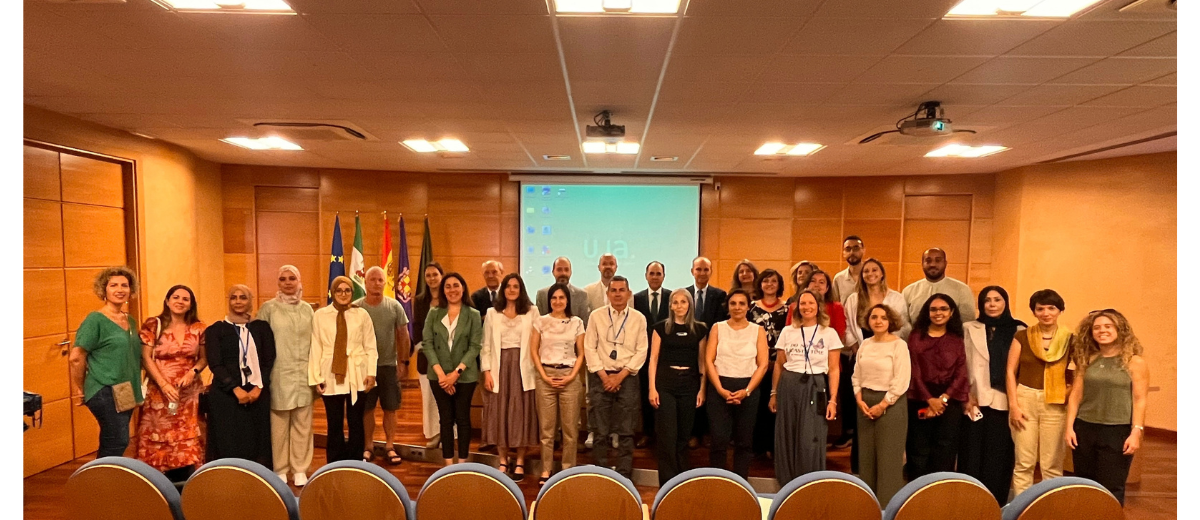
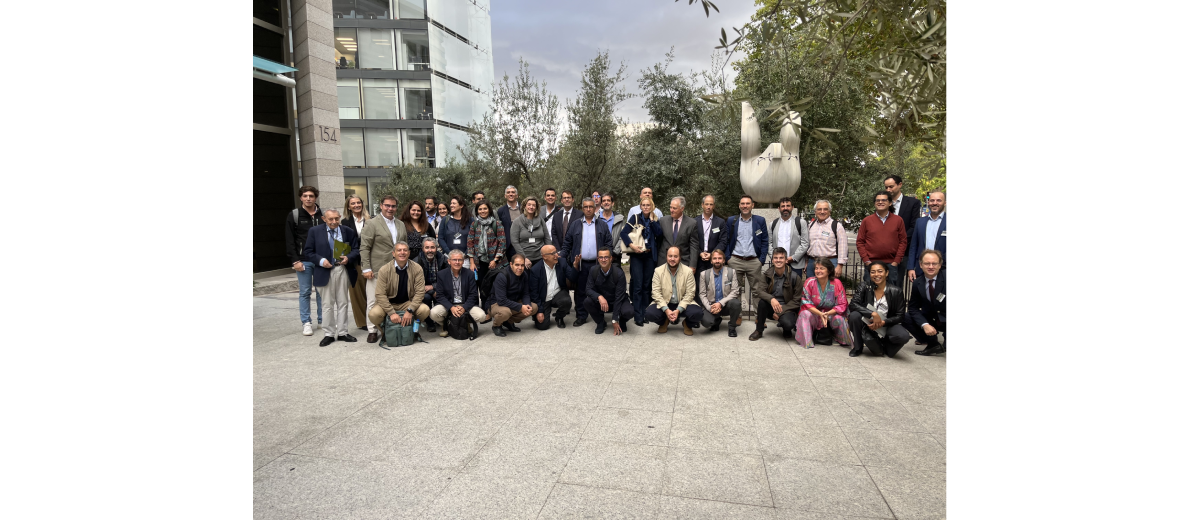
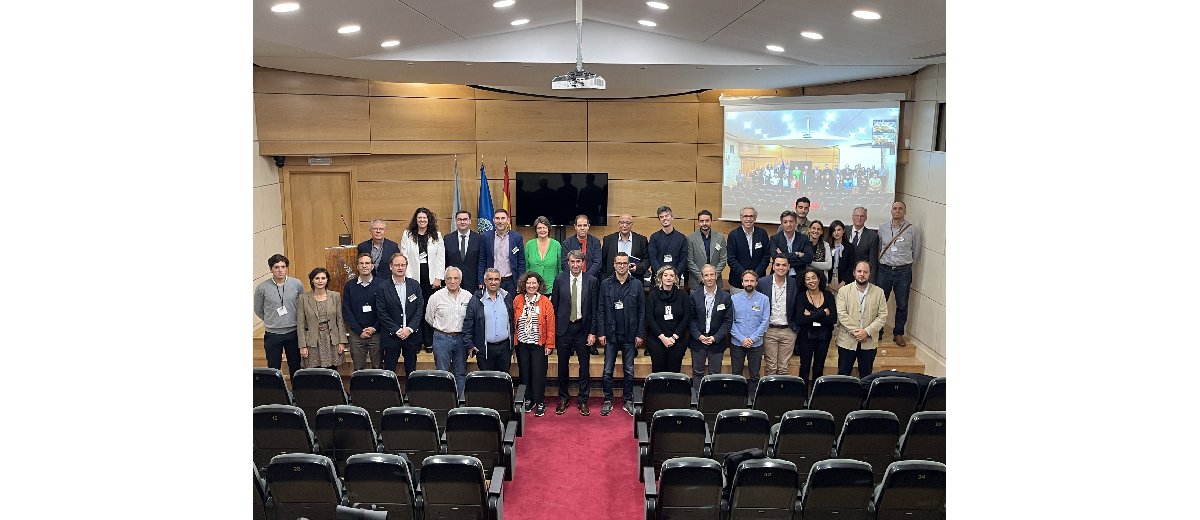
The carbon balance of olive groves is a strategic area of work for the International Olive Council (IOC), which is why this intergovernmental organisation has decided to contribute to the development of methodological and policy frameworks aimed at strengthening the role of olive groves as an effective strategy for achieving the United Nations’ climate objectives, and to provide its member states with technically robust tools within the framework of recognised, validated standards that are easy for end users to use. Against this backdrop, the IOC organised an international workshop entitled “Carbon balance of the olive sector: part of the solution against climate change”, which took place at the IOC headquarters in Madrid (Spain) and by videoconference from 17 to 19 October 2023.

The workshop brought together experts from the olive sector, as well as lawyers, policy-makers, project coordinators and representatives of private companies, who are interested in carbon balance assessment, CO2 removal, carbon credit markets, etc., creating a platform for reflection on these key issues. It provided a unique opportunity for participants to exchange experiences, to reflect on the  position of the olive oil and table olive sector in terms of its contribution to achieving “CO2 neutrality” objectives, and to consider how the current situation can benefit the sector as a whole.

The main conclusions of this workshop are as follows:

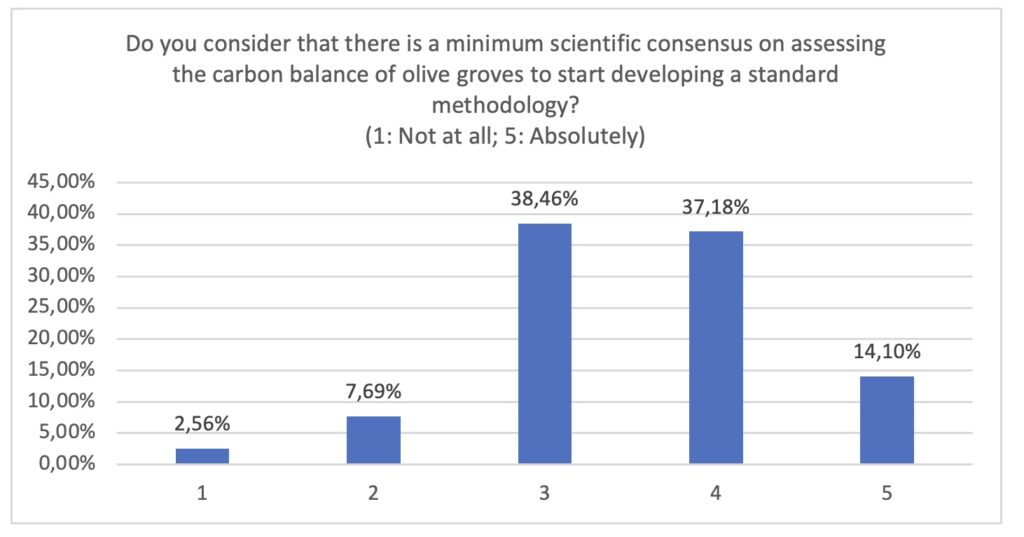
  • To the question of whether there is a minimum consensus on the assessment of the carbon balance in order to start developing a methodology, the average response from participants was 3.53/5, which means that this consensus does exist.
  • The main priorities identified for this work were as follows:
    1. Consider how to establish basic criteria for the olive sector.
    2. Develop a methodology for assessing the carbon balance of olive groves.
    3. Model CO2 absorption capacity in olive groves.
    4. Consider how to adapt the QU.A.L.ITY criteria (QUantification, Additionality, Long-term Storage, Sustainability) to the olive sector.
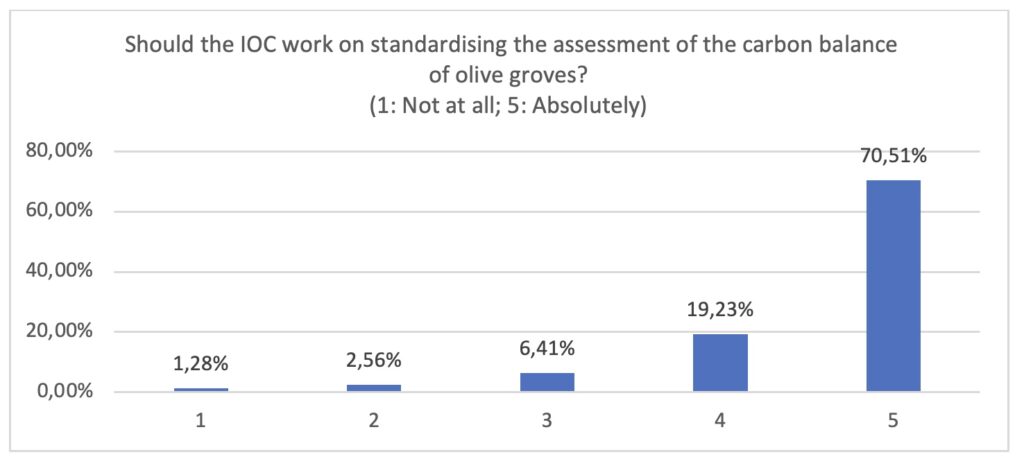
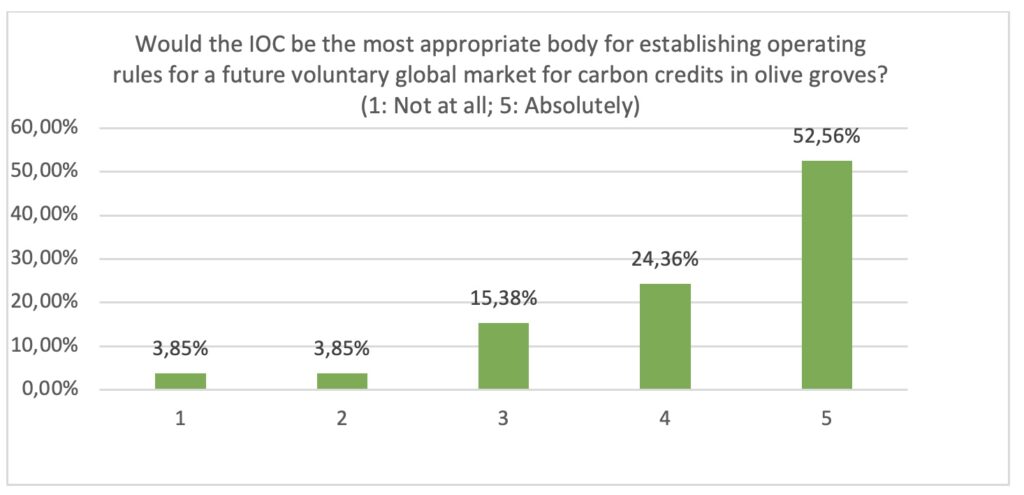
  • Over 90% of participants said that the IOC should provide robust methodologies and tools based on scientific knowledge and facilitate access to these tools, and over 80% said that it was the most appropriate body for defining the rules for the future carbon credit market for olive groves.
  • The current scenario is presented as a great opportunity for the sector, and the aim is for society to associate the olive grove with the concept of sustainability and see it as an effective strategy against climate change: “Olive oil is good for your health and for the environment”.

 

Enviar noticiaShare Enlace a facebook Enlace a twitter Enlace a linkedin
Last Posts
IOC at SOL Expo 2026
VERONA, ITALY / 03.03.2026

The Deputy Executive Director of the International Olive Council (IOC), Abderraouf Laajimi, participated in the second edition of SOL Expo, held at Veronafiere in Verona from 1 to 3 March 2026. High-level institutional...

Info

Esta semana en el OHIS
MADRID, ESPAÑA / 02.03.2026

Esta semana en el sitio web del Olive Health Information Service La newsletter de la Universidad de Navarra y el COI dedicada a la salud Artículo 1 Cada vez hay más pruebas que respaldan la dieta mediterránea como una...

Info

La Bóveda Global de Svalbard recibe por primera vez semillas de olivo

Un hito histórico para la conservación de la diversidad genética del olivo que ha sido posible gracias a la colaboración de diversas organizaciones y centros de investigación. El Consejo Oleícola Internacional (COI) ha...

Info

International olive council logo
Privacy Policy
Somos sociales
  • Linkedin icon
  • Twitter icon
© International Olive Council, 2026
Gestionar consentimiento de cookies
Para proporcionar las mejores experiencias, utilizamos tecnologías como las cookies para almacenar y/o acceder a la información del dispositivo. Consentir estas tecnologías nos permitirá procesar datos como el comportamiento de navegación o IDs únicos en este sitio. No consentir o retirar el consentimiento, puede afectar negativamente a ciertas características y funciones.
Funcional Siempre activo
El almacenamiento o acceso técnico es estrictamente necesario para el fin legítimo de permitir el uso de un servicio específico solicitado explícitamente por el abonado o usuario, o con el único fin de llevar a cabo la transmisión de una comunicación a través de una red de comunicaciones electrónicas.
Preferencias
El almacenamiento o acceso técnico es necesario para el fin legítimo de almacenar preferencias no solicitadas por el abonado o usuario.
Estadísticas
El almacenamiento o acceso técnico que se utiliza exclusivamente con fines estadísticos. El almacenamiento o acceso técnico que se utiliza exclusivamente con fines estadísticos anónimos. Sin una citación judicial, el cumplimiento voluntario por parte de su proveedor de servicios de Internet o registros adicionales de un tercero, la información almacenada o recuperada únicamente con este fin no puede utilizarse normalmente para identificarle.
Marketing
El almacenamiento o acceso técnico es necesario para crear perfiles de usuario para enviar publicidad, o para seguir al usuario en un sitio web o en varios sitios web con fines de marketing similares.
Administrar opciones Gestionar los servicios Gestionar {vendor_count} proveedores Leer más sobre estos propósitos
Ver preferencias
{title} {title} {title}

Sustainability in the Olive Sector

Access the sustainability portal developed in collaboration between the IOC, the University of Jaén and the Instituto Universitario de Investigación en Olivar y Aceites de Oliva.

Explore research, tools and knowledge supporting sustainable olive growing and responsible production practices.

Culinary

Olive Oil and the Plant-Forward Kitchen

Discover how the Mediterranean Diet inspires contemporary cooking.

Explore this collaboration between the International Olive Council and The Culinary Institute of America, designed to promote healthy, sustainable and flavourful food choices, with a strong focus on technical training and menu innovation for chefs.

COI logo
CIA logo

Salud

El COI y la Universidad de Navarra, a través de OHIS (Olive Health Information System), una plataforma dedicada a la investigación sobre las propiedades saludables del aceite de oliva y las aceitunas de mesa, publican semanal o quincenalmente una recopilación de artículos científicos y un resumen de las investigaciones realizadas en este ámbito.

Estos artículos ponen de relieve los numerosos beneficios para la salud de estos productos.

Puede leer los resúmenes de estas investigaciones aquí en francés, inglés y español y acceder a la lista de artículos, o visitar el portal de OHIS.

Para cualquier asistencia, póngase en contacto con iooc@internationaloliveoil.org.

X