
 Share
Share


South Africa has formally submitted its request to become a member of the International Olive Council (IOC), marking an important step towards strengthening the Organisation’s presence in the Southern Hemisphere.
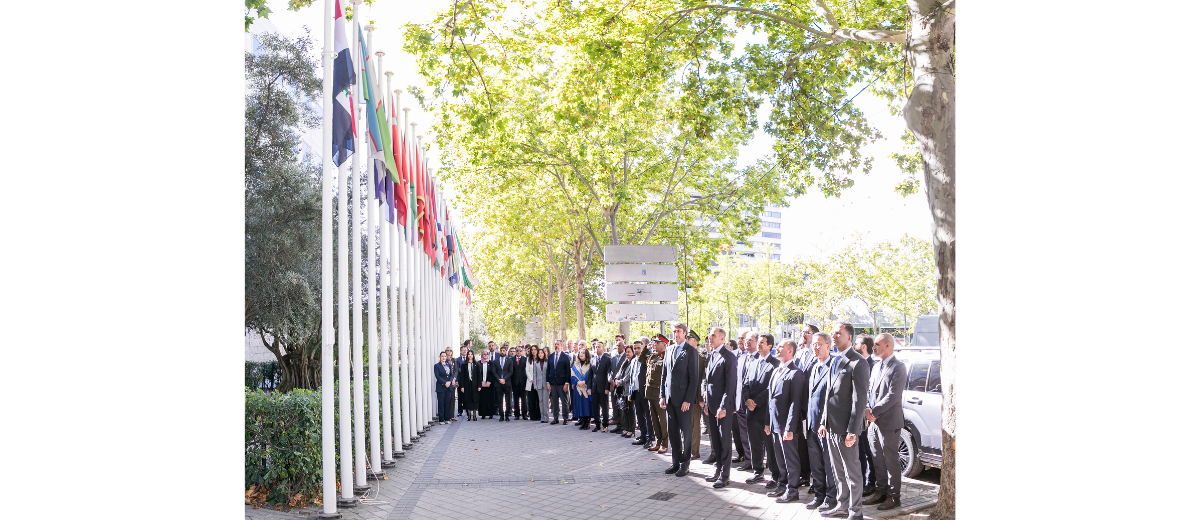
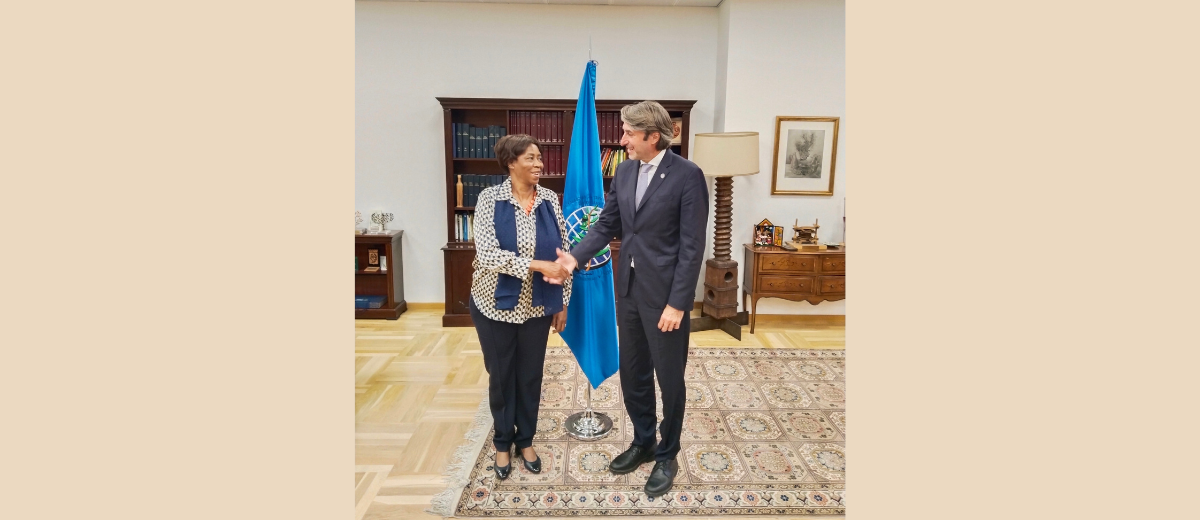
On Tuesday 8 September, IOC Executive Director Jaime Lillo welcomed the Ambassador of South Africa to Spain, H.E. Ms Sankie Dolly Mthembi-Mahanyele, to the Organisation’s headquarters in Madrid. During the meeting, they discussed South Africa’s request for membership and the opportunities for closer cooperation between the country and the IOC.
South Africa’s interest in joining the Organisation reflects the increasingly global nature of the olive sector. While olive growing has traditionally been associated with the Mediterranean, production and consumption have expanded considerably beyond the region, generating growing interest in international cooperation, common standards, knowledge exchange and quality.
The IOC has progressively strengthened its activities in the Southern Hemisphere. One example is the Southern Hemisphere edition of the Mario Solinas Quality Award, the Organisation’s international competition for extra virgin olive oils, which recognises and promotes quality among producers whose production calendar differs from that of the Northern Hemisphere. In fact, a South African extra virgin olive oil, De Rustica Estate, won the second prize in the competition’s robust green category in 2025.
The formal request from South Africa also comes at a time of growing interest in IOC membership from countries in different regions of the world. This geographical expansion, encompassing producing countries as well as important consumer markets, reflects the evolution of the olive sector and the increasingly international reach of olive oil and table olives.
By bringing together a broader range of countries, the IOC continues to strengthen its role as the global forum for dialogue and cooperation in the olive sector, promoting quality, harmonised standards, technical cooperation and the exchange of expertise across producing and consuming countries.