
 Share
Share


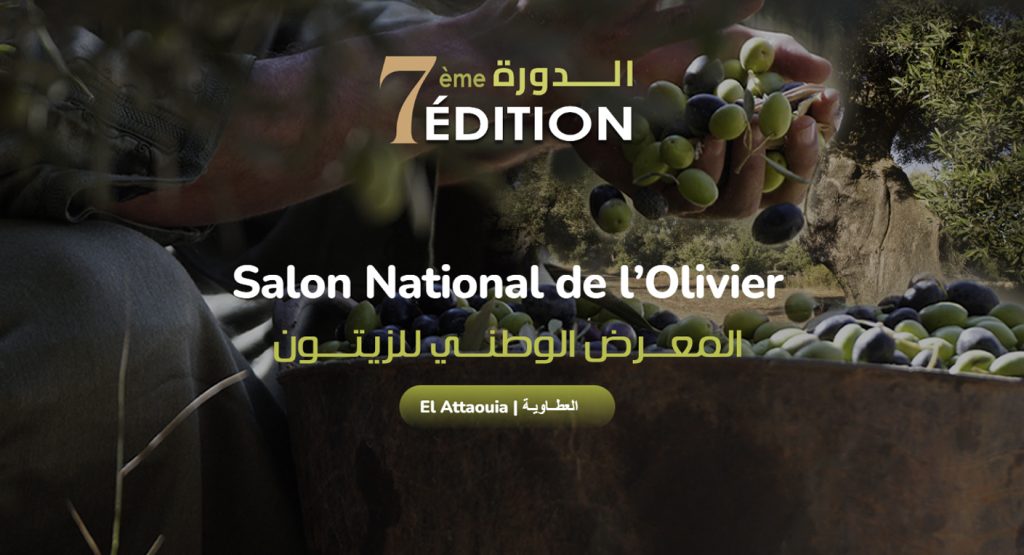
The International Olive Council (IOC) took part in the Salon national de l’olivier, a major event running from 21 to 24 January dedicated to the promotion and development of the Moroccan olive sector. Under the theme “The olive tree: a national heritage, a symbol of agricultural resilience and a lever for development”, the show aimed to highlight the strategic role of the olive tree in rural development, food security and the country’s economic dynamism.
The show’s scientific programme was structured around a number of seminars and round tables focusing on the quality of olive oil, resilience in the face of climate change, adding value to products, technological innovation and the development of rural entrepreneurship, bringing together national and international experts from the academic, institutional and professional worlds.
On the fringes of the exhibition, the General Management of Morocco’s National Institute for Agronomic Research (INRA) organised a visit to the international collection of olive trees at the Marrakech research station, recognised by the IOC as one of the world’s benchmark collections. This collection is part of a cooperation agreement between the IOC, the Moroccan Ministry of Agriculture and the FAO, aimed at ensuring the conservation, characterisation and development of olive tree genetic resources. It is an essential scientific tool for the preservation of olive-growing biodiversity and the sustainable development of the sector, both nationally and internationally.
A high-level official opening
The opening ceremony was attended by Morocco’s Minister of Agriculture, Maritime Fisheries, Rural Development and Water and Forests, Mr Ahmed El Bouari, underlining the importance conferred by the Moroccan authorities to the development of the olive sector and the promotion of its products.
The IOC’s contribution to strategic debates
In this context, the IOC Deputy Executive Director, Abderraouf Laajimi, gave a talk entitled “Quality and origin identification signs in the olive sector: an international perspective”. His speech highlighted the fundamental role of geographical indications and quality labels in enhancing the value of products, protecting producers and boosting competitiveness on international markets.
Mr Laajimi also took part in the round table on olive oil quality standards: current situation, challenges and prospects for promotion, which addressed the issues of harmonising standards, combating fraud, market transparency and raising consumer awareness.
 Morocco, a key player in the international olive sector
The Kingdom of Morocco is one of the world’s leading olive oil and table olive producers. Underpinned by a vast programme of agricultural modernisation, the country has considerably expanded its olive-growing area over the last two decades, while investing in improving quality, structuring the sector and adding value for export.
As an active member of the IOC, Morocco plays a central role in the organisation’s work, particularly in the fields of standardisation, research, sustainable development and the international promotion of olive oil.
An ongoing commitment to sustainable development
The IOC’s participation in this trade fair illustrates its ongoing commitment alongside its member countries to support the sustainable development of the olive oil sector, promote good agricultural practices, enhance product quality and support the integration of the sector into international markets.
Through this type of event, the IOC is reaffirming its desire to encourage dialogue, the sharing of expertise and regional cooperation, in the interests of a more resilient, competitive and sustainable olive sector.