
 Share
Share


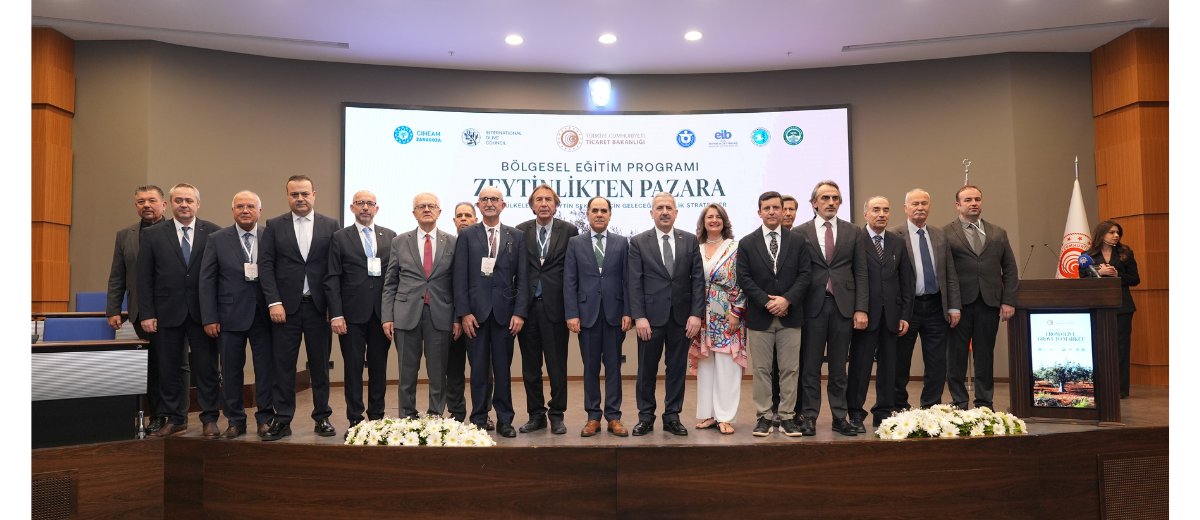
The International Olive Council (IOC), in collaboration with the Ministry of Trade of the Republic of Türkiye –a key player in the olive sector– and the Zaragoza institute of the International Centre for Advanced Mediterranean Agronomic Studies (CIHEAM-Zaragoza), are organising a regional training course entitled “From olive grove to market: future strategies for the olive sector in Eurasian countries”, taking place from 5 to 7 May 2026 in Izmir.
28 experts from 13 countries will address the Eurasian olive market
Held at the Izmir Chamber of Commerce, the course brings together 28 experts and technicians from public administrations across 13 countries from the region, including Albania, Croatia, Egypt, Georgia, Greece, Italy, Jordan, Lebanon, Malta, Montenegro, Tunisia and Türkiye. The initiative aims to strengthen technical capacities, promote knowledge exchange and foster regional cooperation across the olive value chain, and is attended by over 150 stakeholders.
The opening session featured representatives from the organising institutions, including Turkish Deputy Minister of Trade, Mahmut Gürcan, and several representatives from the Directorate General of Tradesmen, Craftsmen and Cooperatives and other national authorities; IOC Deputy Executive Director, Abderraouf Laajimi, and the Head of the Technical Cooperation and Training Department, Catarina Bairrao; CIHEAM-Zaragoza Director, Raúl Compés, alongside other institutional spokespersons.
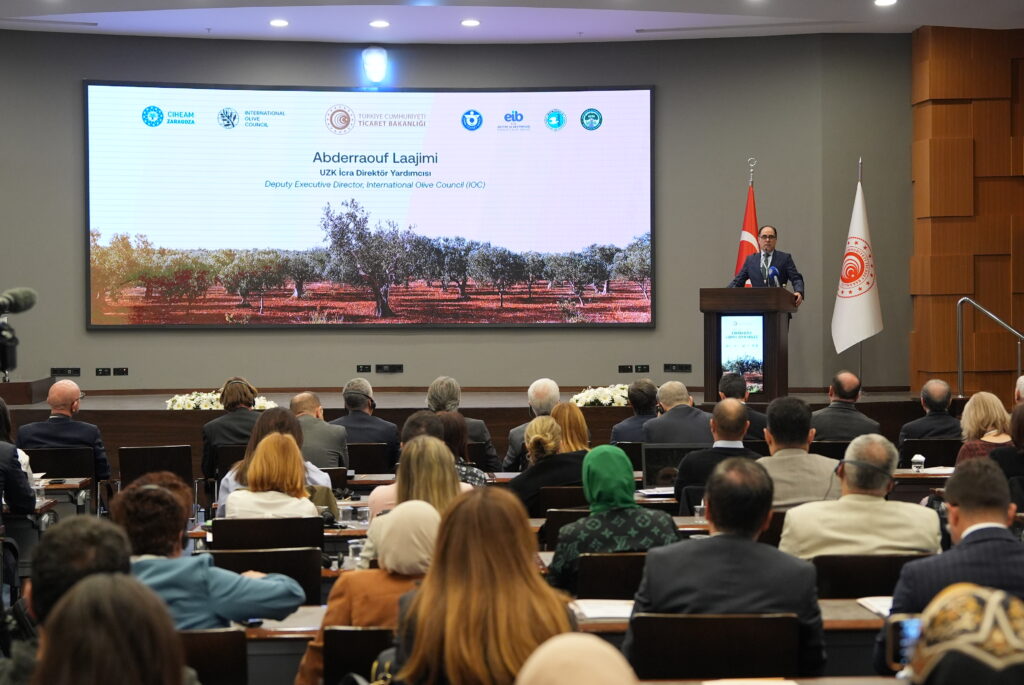 The course is delivered by international experts from leading institutions, including the Izmir Olive Research Centre, Tunisia’s Olive Institute, the Andalusian Institute of Agricultural and Fisheries Research and Training (IFAPA) and the University of Athens, amongst others.
The programme follows a comprehensive “farm-to-market” approach, covering key stages of the sector and concluding with an in-depth discussion on future strategies for the region. The first day focused on olive growing systems, adaptation to climate change, and harvesting and post-harvest practices, highlighting their impact on quality and efficiency. The second day addresses processing technologies, quality standards for olive oil and table olives, and market-oriented strategies such as product diversification, branding and circular economy approaches. A technical visit on the third day allows participants to observe good agricultural and processing practices in the field.
By bringing together public-sector experts from across Eurasia, this initiative contributes to strengthening regional dialogue, sharing best practices and supporting the sustainable development, competitiveness and resilience of the olive sector.