
 Share
Share


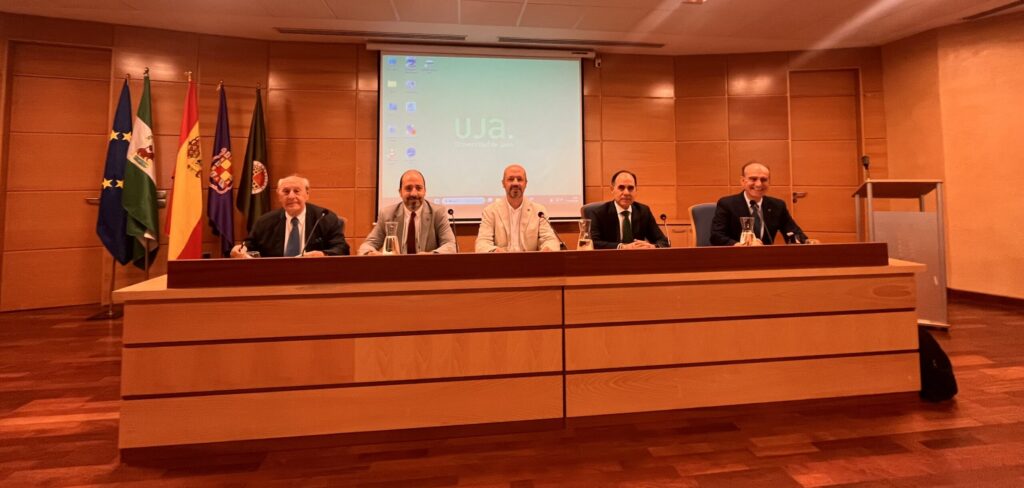
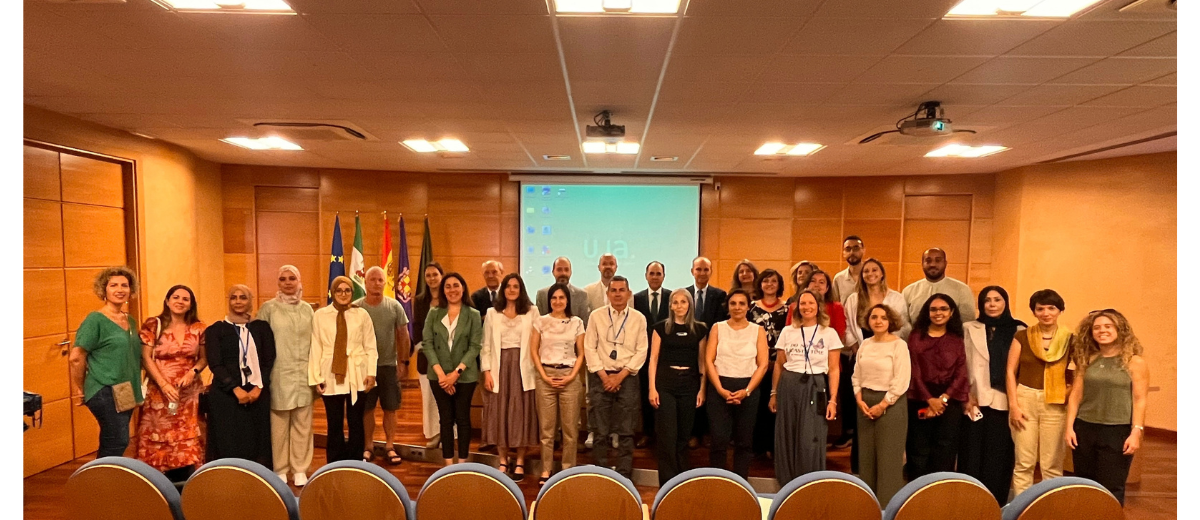
The International Olive Council (IOC) took part in the opening ceremony of the 23rd International Course for Experts in Virgin Olive Oil Tasting, held at the University of Jaén from 21 September to 11 December 2026.
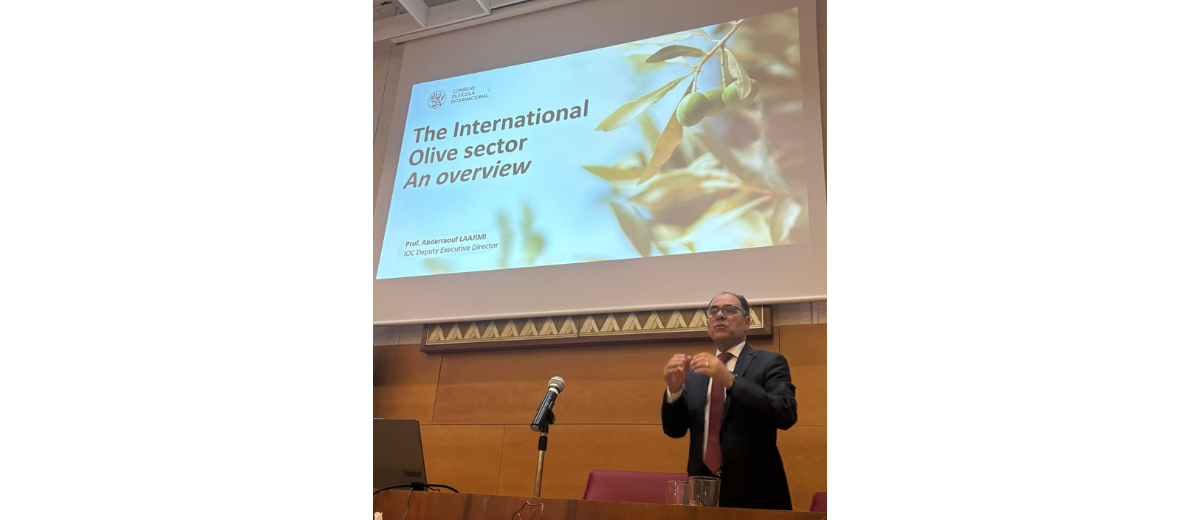
The ceremony was attended by representatives of the University of Jaén and the olive sector, including the University’s Vice-Rector for Lifelong Learning, Educational Technologies and Teaching Innovation at the University of Jaén, Francisco Roca, and course directors Alberto H. Moya and Sebastián Sánchez, as well as the technical coordinator, Marino Úceda. Special tribute was paid to the late Cristino Lobillo and Leopoldo Martínez Nieto, two of the course’s founders, in recognition of their invaluable contribution to its creation and development. The IOC was represented by its Deputy Executive Director, Abderraouf Laajimi, and the Head of the Technical Cooperation and Training Department, Catarina Bairrao.
In his opening word, Mr Laajimi highlighted the importance for the IOC of this specialised training in sensory analysis. He emphasised its significant contribution to enhancing knowledge and skills, establishing a common vocabulary framework, improving the quality of olive oil and harmonising assessment methods. He also underlined the IOC’s longstanding cooperation with the University of Jaén in strengthening technical expertise and facilitating the exchange of knowledge among professionals from its member countries.
In the 2026 edition, the IOC has awarded 30 scholarships to olive-sector professionals from 14 of its member countries. Since the course was first launched in 1997, it has trained more than 700 professionals from 27 countries, with the IOC providing scholarships to more than half of them. The impact of this cooperation is also reflected in the fact that 17 former IOC scholarship recipients currently serve as panel leaders of olive oil tasting panels recognised by the IOC.
Over three months, participants will receive theoretical and practical training covering the olive oil production chain, with particular emphasis on quality control and sensory analysis, complemented by practical sessions and technical visits.
The course forms part of the IOC’s technical cooperation capacity-building activities aimed at strengthening expertise in member countries and supporting the application and harmonisation of international standards for olive oil quality.