• Skip to main content

International Olive Council

The website of the International Olive Council

المجلس الدولي للزيتون
Linkedin icon Twitter icon
  • صحة وعافية
  • الطهي
  • الاستدامة
المناقصات منح الوظائف الشاغرة Patronage
Mail envelope تواصل معنا
Magnifier البحث في الموقع
Person icon الحيز الخاص
Person icon
Menu icon
MENUMENU
  • Who we are
    • Mission and Vision
    • Fundamental Texts
    • Governance and Structure
    • Member Countries and Observers
  • مهمتنا
    • وحدة الكيمياء وتوحيد المعايير
      • معايير وأساليب ودليل المجلس الدولي للزيتون
      • معايير, مناهج وأدلة المجلس
      • فريق العمل
      • اعتماد المخابر ولجان التذوق
      • جائزة ماريو سوليناس للجودة
      • IOC institutional support
      • زيت الزيتون والتغذية والصحة
      • البحوث داخل وحدة توحيد المعايير والبحث
      • Database of ioc documents
    • Olive Growing, Olive Oil Technology and Environment Unit
      • Technical Cooperation and Training
      • Olive Oil Technology and the Environment
      • IOC Scholarships
      • Supporting Member Countries
      • External Projects and Institutional Agreements
      • IOC Network of International Olive Germplasm Banks
      • Key Projects and Technical Resources
    • وحدة الترويج والشؤون الاقتصادية
      • Market Statistics
      • Country Profiles
      • Promotion Campaigns
      • Grants for Promotion Activities
      • الدراسات والندوات
  • Press Room
    • جميع المقالات
    • Olive Health Information System
    • Monthly Olive Sector Statistics
    • Agenda 2026
    • Videos
    • Infographics
  • Key Projects
    • Carbon Balance Project
    • World Catalogue of Olive Varieties 
    • اليوم العالمي لشجرة الزيتون
      • احتفالات اليوم العالمي لشجرة الزيتون
    • IOC Published Documents
    • Glossary of olive terms
  • المعايير
  • إحصائيات
  • العربية
  • الإنجليزية
  • الفرنسية
  • الإيطالية
  • الأسبانية
Contracts Grants Vacancies Patronage
Mail envelope Contact
Magnifier Search
We are social
  • Linkedin icon
  • Twitter icon
MENUMENU
  • Who we are
    • Mission and Vision
    • Fundamental Texts
    • Governance and Structure
    • Member Countries and Observers
  • مهمتنا
    • وحدة الكيمياء وتوحيد المعايير
      • معايير وأساليب ودليل المجلس الدولي للزيتون
      • معايير, مناهج وأدلة المجلس
      • فريق العمل
      • اعتماد المخابر ولجان التذوق
      • جائزة ماريو سوليناس للجودة
      • IOC institutional support
      • زيت الزيتون والتغذية والصحة
      • البحوث داخل وحدة توحيد المعايير والبحث
      • Database of ioc documents
    • Olive Growing, Olive Oil Technology and Environment Unit
      • Technical Cooperation and Training
      • Olive Oil Technology and the Environment
      • IOC Scholarships
      • Supporting Member Countries
      • External Projects and Institutional Agreements
      • IOC Network of International Olive Germplasm Banks
      • Key Projects and Technical Resources
    • وحدة الترويج والشؤون الاقتصادية
      • Market Statistics
      • Country Profiles
      • Promotion Campaigns
      • Grants for Promotion Activities
      • الدراسات والندوات
  • Press Room
    • جميع المقالات
    • Olive Health Information System
    • Monthly Olive Sector Statistics
    • Agenda 2026
    • Videos
    • Infographics
  • Key Projects
    • Carbon Balance Project
    • World Catalogue of Olive Varieties 
    • اليوم العالمي لشجرة الزيتون
      • احتفالات اليوم العالمي لشجرة الزيتون
    • IOC Published Documents
    • Glossary of olive terms
  • المعايير
  • إحصائيات
  • العربية
  • الإنجليزية
  • الفرنسية
  • الإيطالية
  • الأسبانية
  • صحة وعافية
  • الطهي
  • الاستدامة
Tools icon

IOC NEWS

Home / Blog / Application for the calculation of C02 balance in olive farming
co2
Enviar noticiaShare Enlace a facebook Enlace a twitter Enlace a linkedin

Application for the calculation of C02 balance in olive farming

Madrid / 27.07.2016

We now have evidence that, when the appropriate agricultural practices are applied, the carbon sink effect (or carbon sequestration) of olive trees through the biomass and soil is much greater than the greenhouse gas emissions for one production unit (one litre of virgin olive oil).


According to Environmental Product Declarations for olive oil and published research, on average 1.5 kg of CO2e is emitted into the atmosphere for the production of one litre of olive oil (virgin or extra virgin).


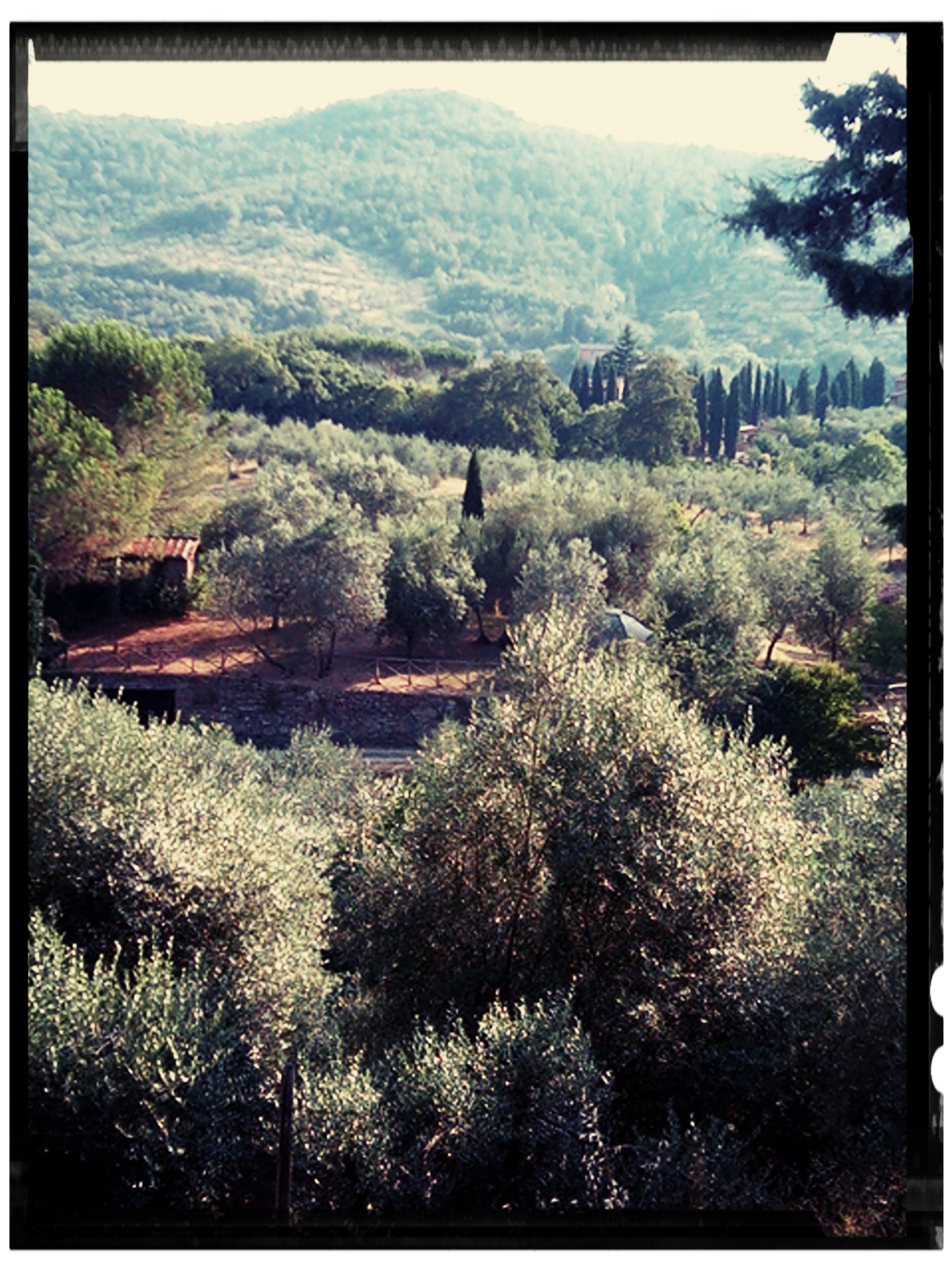
By applying mathematical calculations or the results of available scientific literature, or applying an application like the one offered by the IOC, it is possible to estimate that for every litre of olive oil produced in a mature semi-intensive orchard with average crop yields, the orchard has the potential to fix 10 kg of CO2 in the soil.


It can therefore be claimed that for every litre of olive oil, the olive orchard fixes 10 kg of CO2 in the soil, and that olive oil production helps to combat global warming by absorbing more atmospheric CO2 than it produces and fixing it in the soil and biomass.


The fact that the consumption of olive oil and the protection of this crop are positive and green measures for the environment is precisely the message that the IOC wishes to share with the international community. To demonstrate that “Olive oil is both healthy and good for the environment”, it has developed a computer application to calculate the carbon sink effect of olive orchards. This application, which can be used by any farmer, in any part of the world to calculate their carbon balance, is available on the IOC website: http://carbonbalance.internationaloliveoil.org


The working group set up by the IOC to develop this application studied and developed generic examples of how the incorporation of the agricultural carbon balance affects the carbon balance of producing 1L of oil. The existing methodologies for calculating carbon balance have thus been supplemented by elaborating on calculation principles (parameters and their influence) and available reference data.

When applying this calculation (sub)methodology or recommendation, the working group followed inventories (IPPCC – Intergovernmental Panel on Climate Change) and B2B (business-to-business) and B2C (business-to-consumer) communication approaches.

The IOC thanks the members of the working group for their participation in the development of this tool. Without their active and positive contribution, the IOC would not have been able to develop the application and make it available to olive farmers throughout the world.

Enviar noticiaShare Enlace a facebook Enlace a twitter Enlace a linkedin
Last Posts
IOC and CIHEAM Zaragoza to organise two regional training courses in May 2026

The International Olive Council (IOC), in collaboration with the International Centre for Advanced Mediterranean Agronomic Studies (CIHEAM Zaragoza), will organise two regional training courses in May 2026 as part of its...

Info

IOC and UPM sign MoU
MADRID, SPAIN / 16.03.2026

The International Olive Council (IOC) and the Polytechnic University of Madrid (UPM) in Spain have signed a Memorandum of Understanding (MoU) to strengthen cooperation in the olive sector. The agreement was signed by Mr...

Info

This week on OHIS
MADRID, SPAIN / 13.03.2026

This week on the Olive Health Information System website The newsletter of the University of Navarra and the IOC dedicated to health Article 1 Recent studies have examined the role of overall dietary patterns in...

Info

International olive council logo
Privacy Policy
المجلس على شبكات التواصل الاجتماعي
  • Linkedin icon
  • Twitter icon
© International Olive Council, 2026
Manage Cookie Consent
To provide the best experiences, we use technologies like cookies to store and/or access device information. Consenting to these technologies will allow us to process data such as browsing behavior or unique IDs on this site. Not consenting or withdrawing consent, may adversely affect certain features and functions.
Functional Always active
The technical storage or access is strictly necessary for the legitimate purpose of enabling the use of a specific service explicitly requested by the subscriber or user, or for the sole purpose of carrying out the transmission of a communication over an electronic communications network.
Preferencias
El almacenamiento o acceso técnico es necesario para la finalidad legítima de almacenar preferencias no solicitadas por el abonado o usuario.
Statistics
The technical storage or access that is used exclusively for statistical purposes. El almacenamiento o acceso técnico que se utiliza exclusivamente con fines estadísticos anónimos. Sin un requerimiento, el cumplimiento voluntario por parte de tu proveedor de servicios de Internet, o los registros adicionales de un tercero, la información almacenada o recuperada sólo para este propósito no se puede utilizar para identificarte.
Marketing
The technical storage or access is required to create user profiles to send advertising, or to track the user on a website or across several websites for similar marketing purposes.
Manage options Manage services Manage {vendor_count} vendors Read more about these purposes
View preferences
{title} {title} {title}

Culinary

Olive Oil and the Plant-Forward Kitchen

Discover how the Mediterranean Diet inspires contemporary cooking.

Explore this collaboration between the International Olive Council and The Culinary Institute of America, designed to promote healthy, sustainable and flavourful food choices, with a strong focus on technical training and menu innovation for chefs.

External link

COI logo
CIA logo

Health

The IOC and the University of Navarra, through OHIS (the Olive Health Information System), a platform dedicated to research on the health properties of olive oil and table olives, publish a weekly or bi-weekly collection of scientific articles and summaries of research carried out in this field.

These articles highlight the numerous health benefits of these products.

You can read the summaries of this research here in French, English and Spanish and access the list of articles, or visit the OHIS portal.

Summaries OHIS portal

For any assistance, please contact iooc@internationaloliveoil.org.

Sustainability in the Olive Sector

Access the sustainability portal developed in collaboration between the IOC, the University of Jaén and the Instituto Universitario de Investigación en Olivar y Aceites de Oliva.

Explore research, tools and knowledge supporting sustainable olive growing and responsible production practices.

External link

X